Urban development
Rákosrendező Project
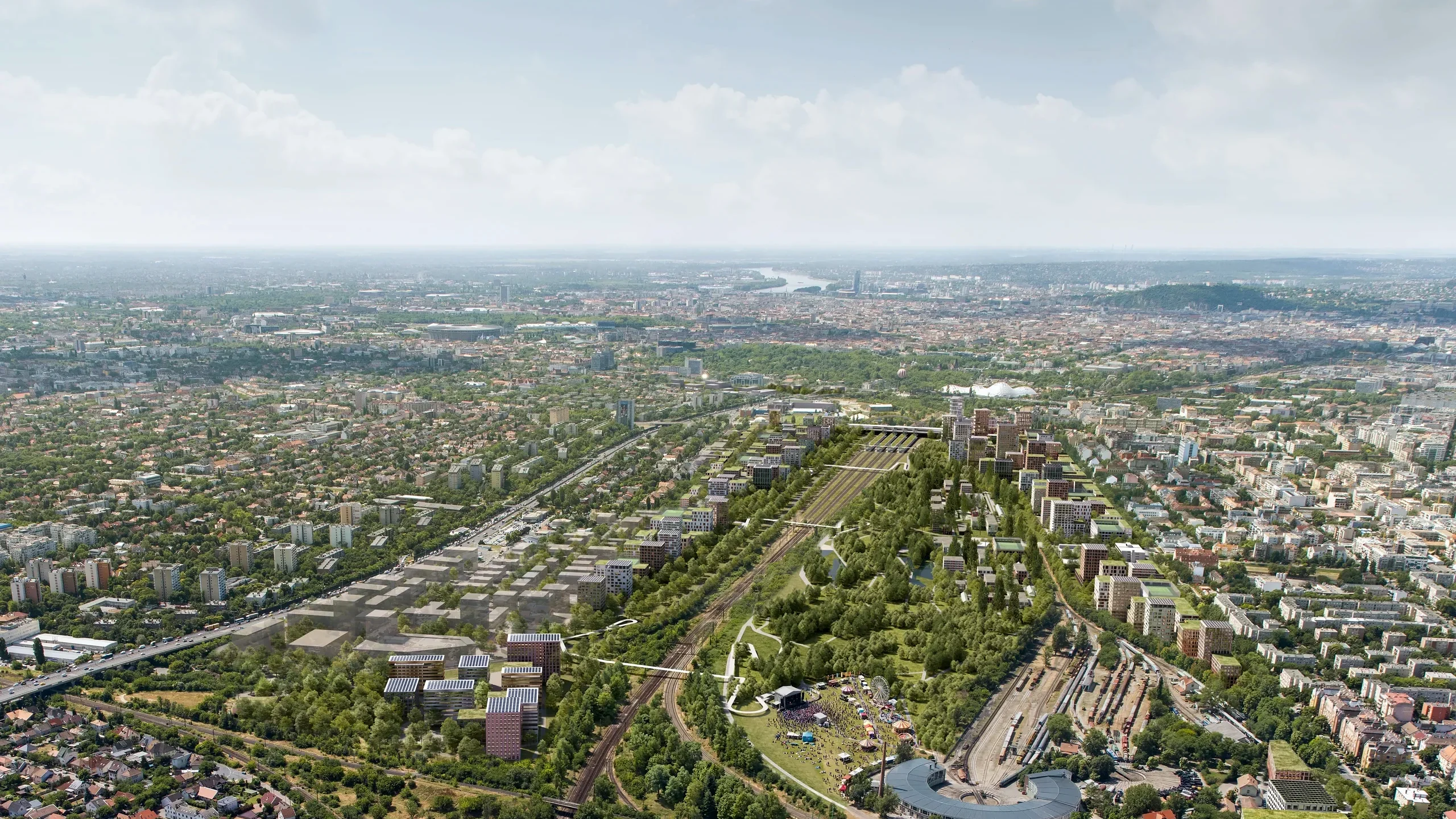
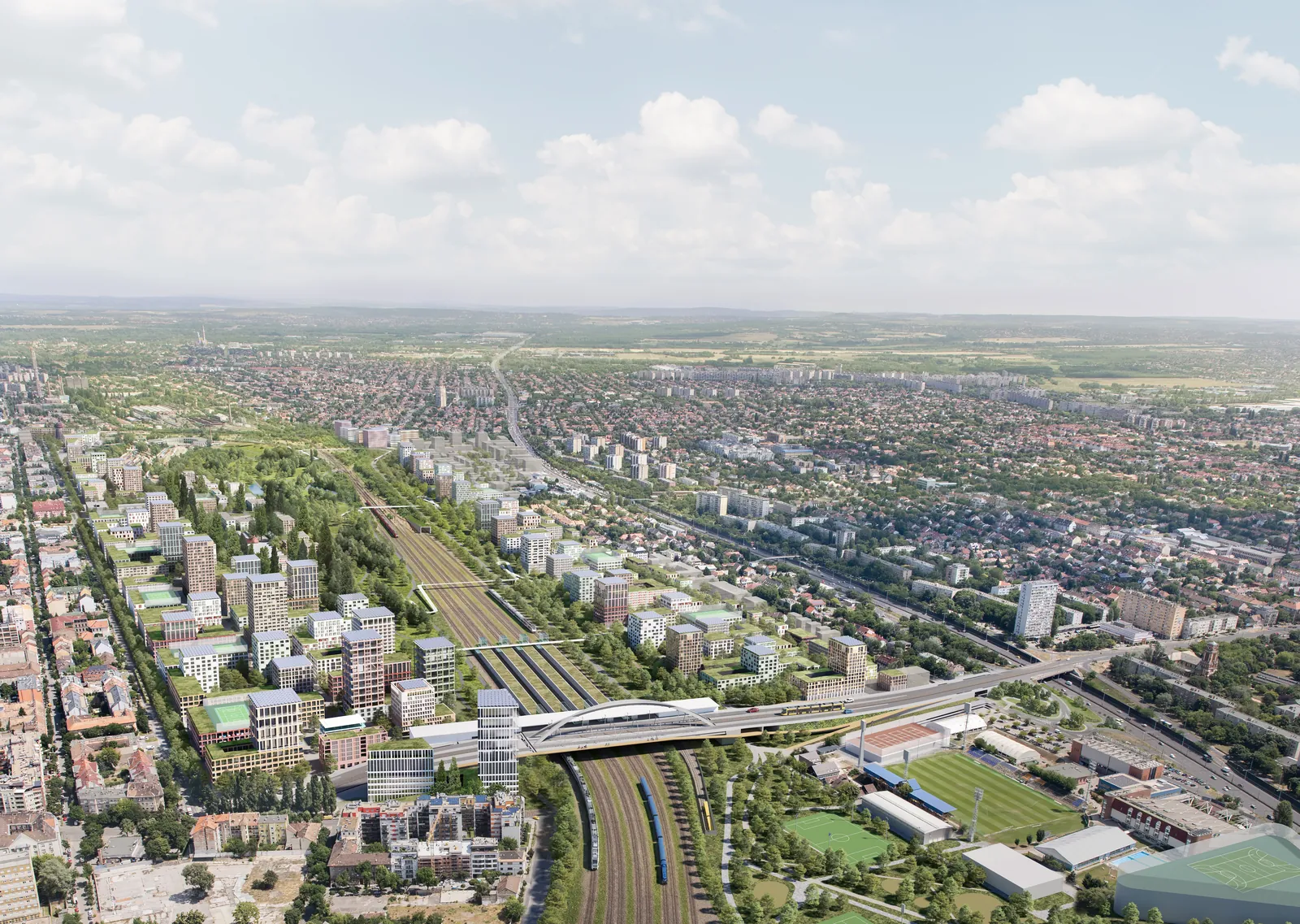
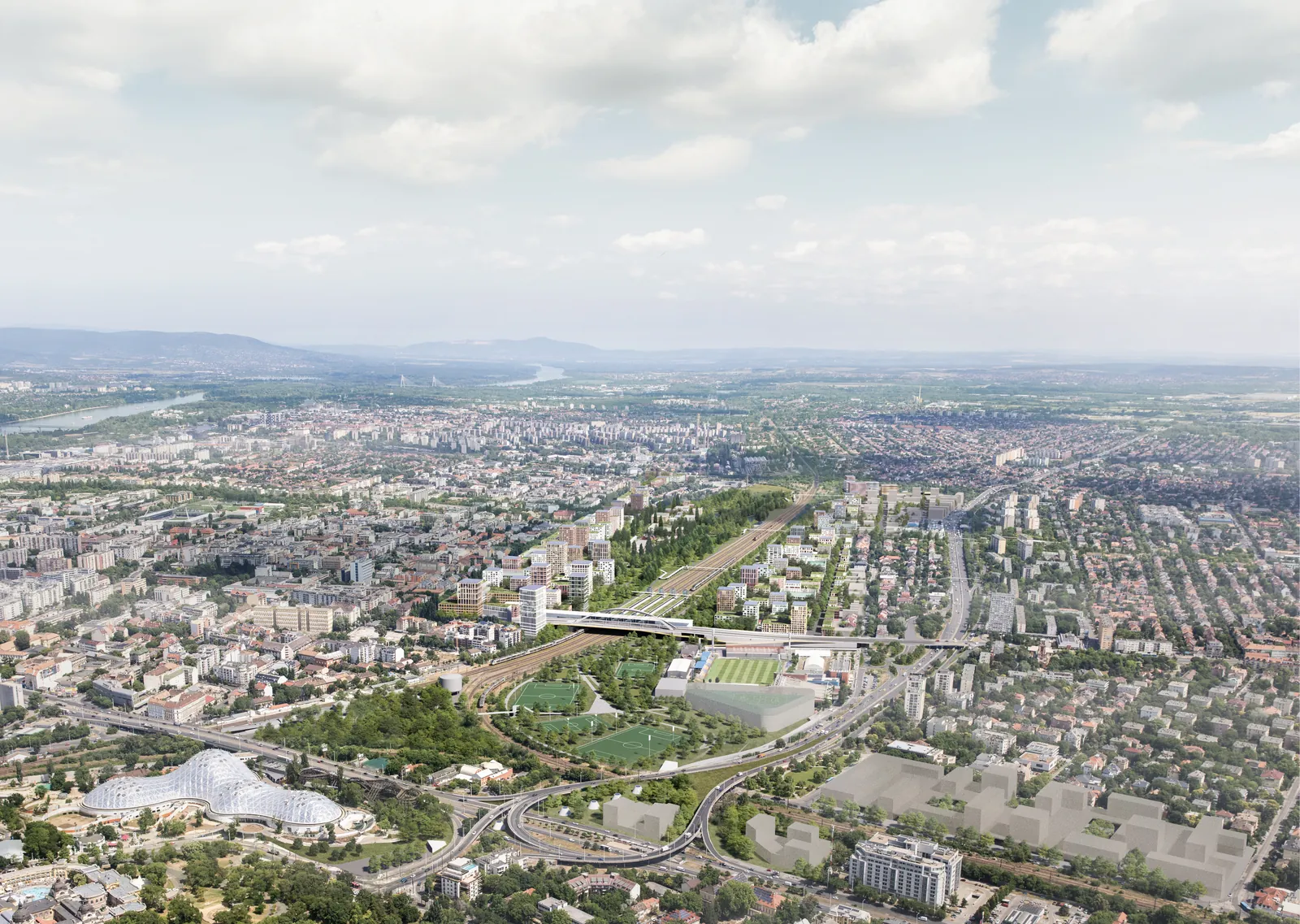
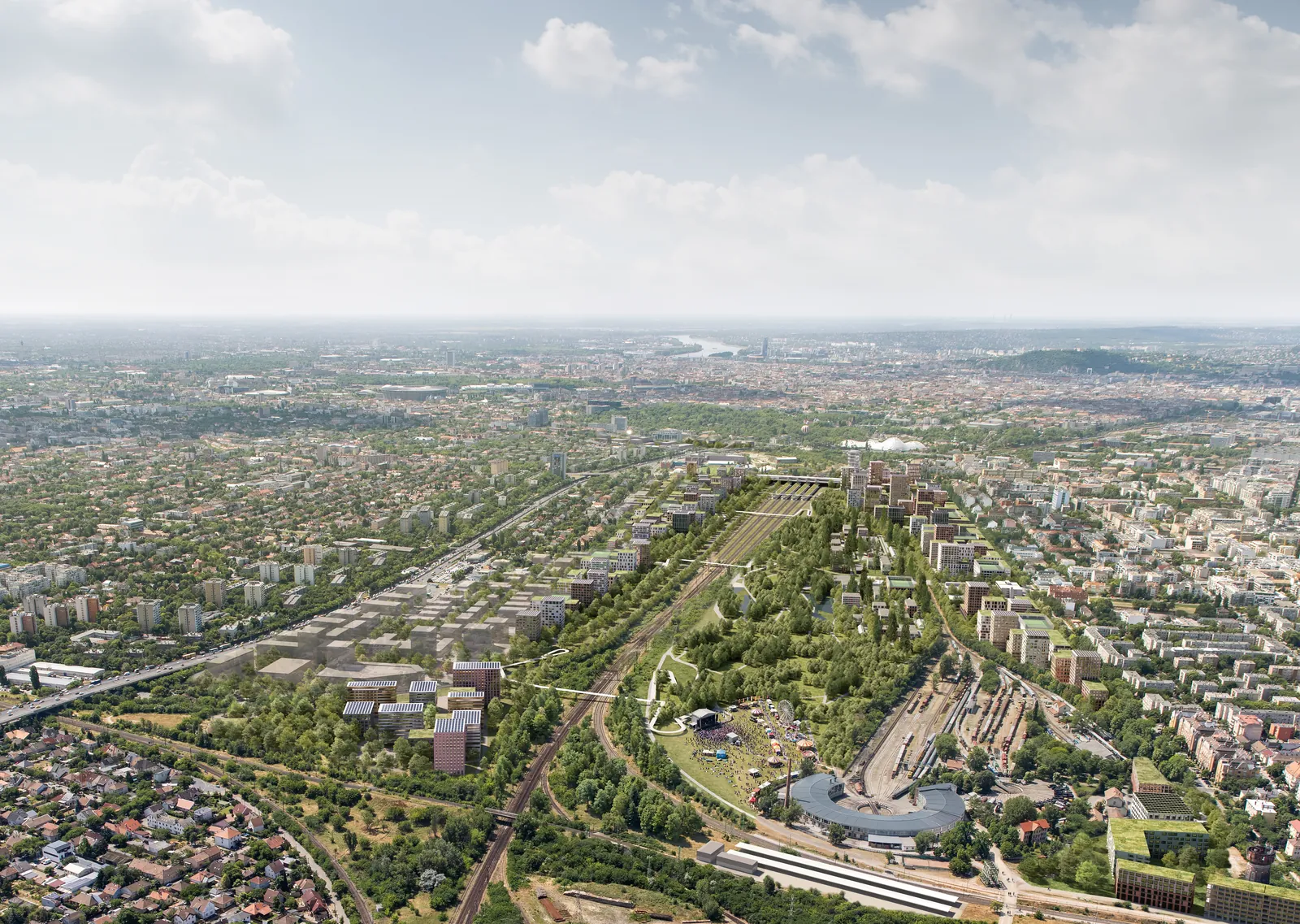
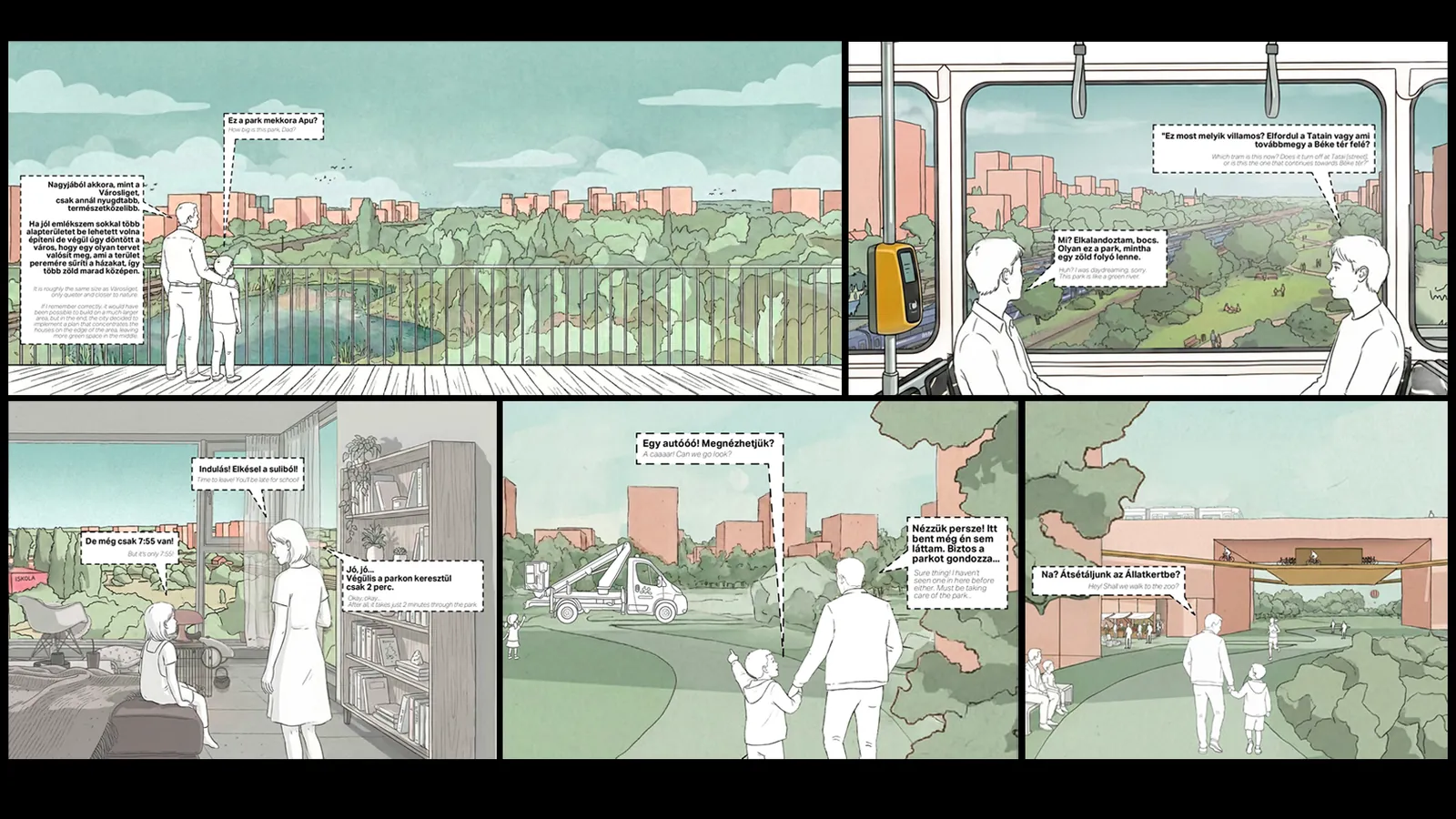
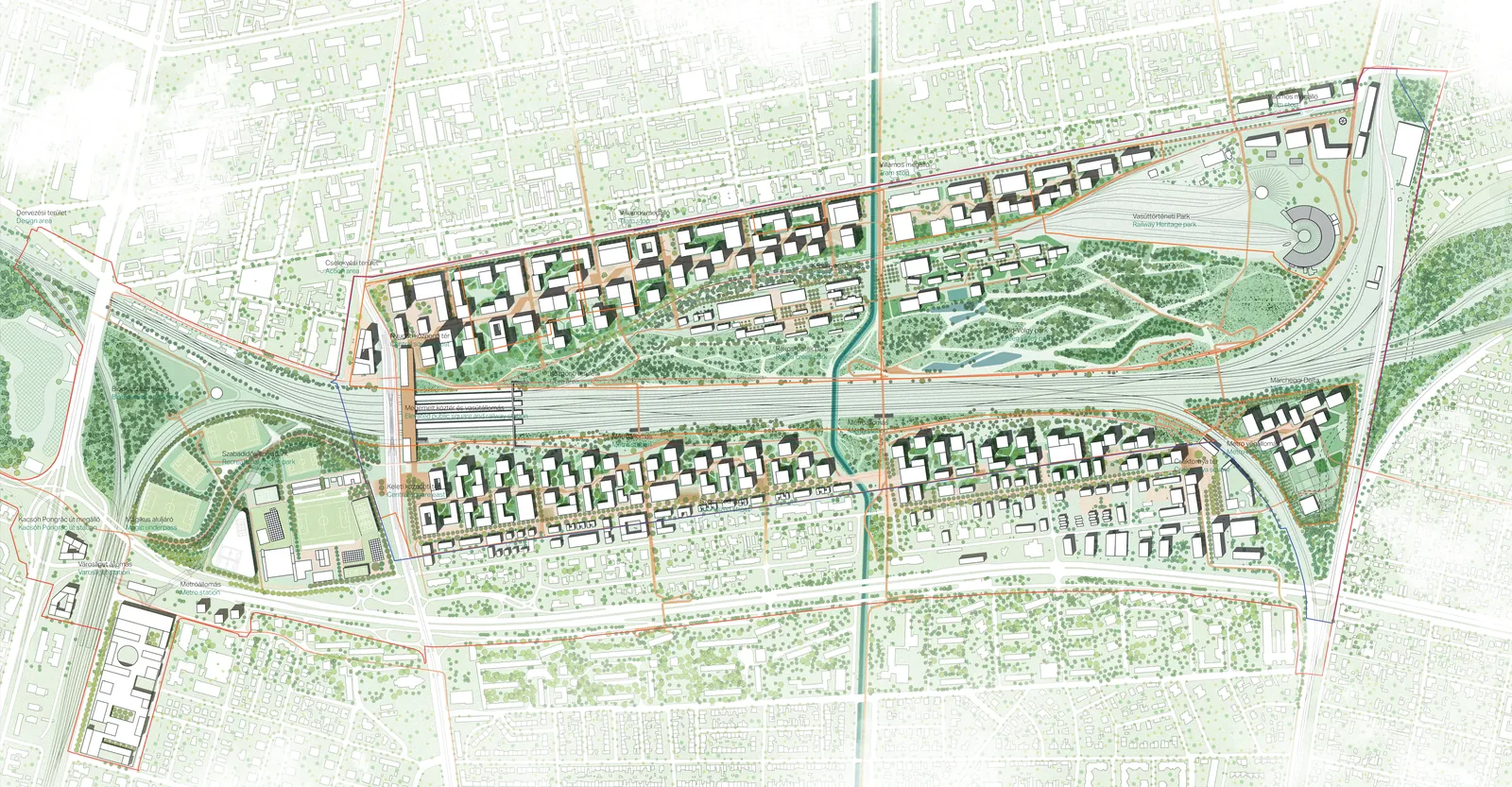
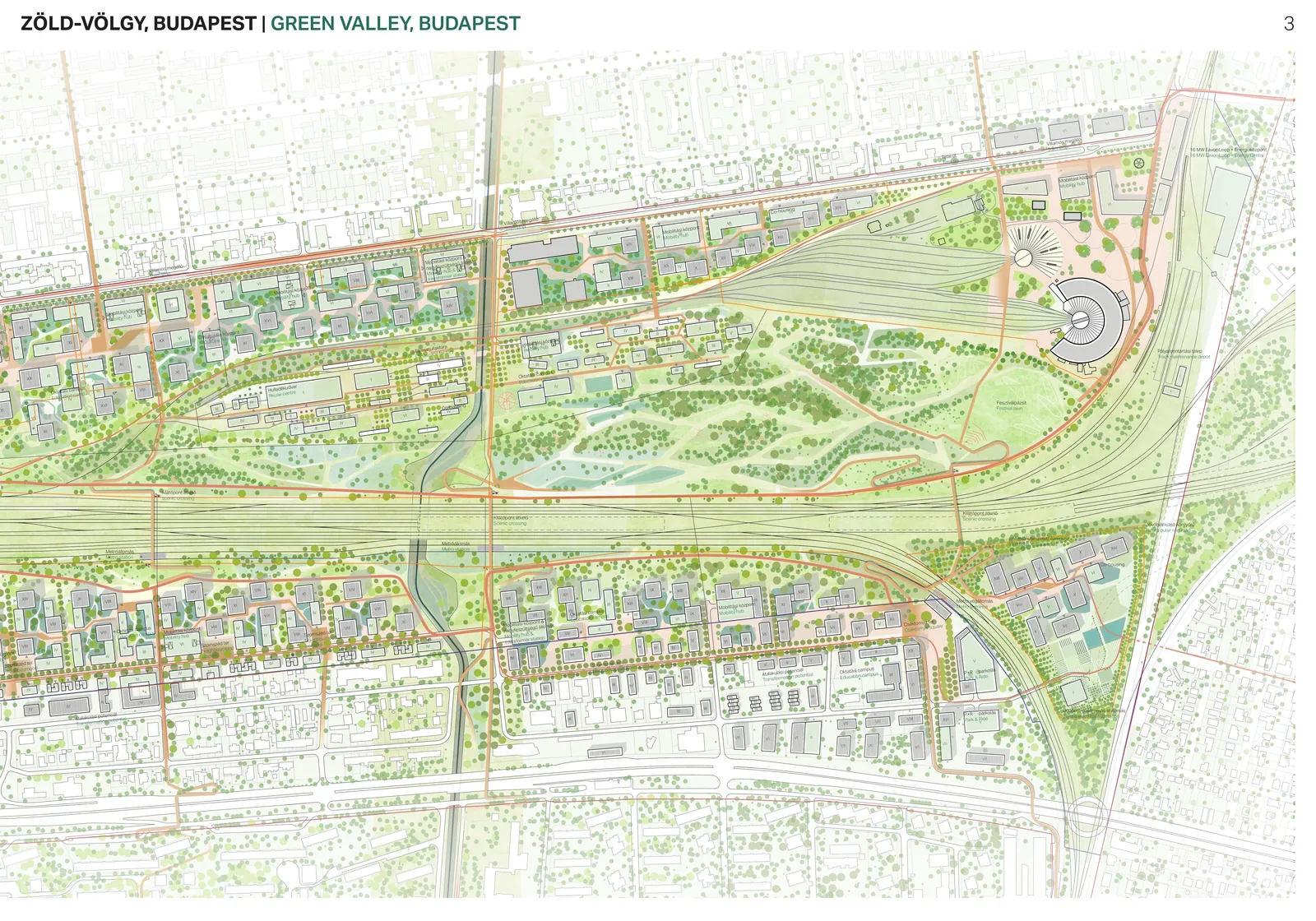
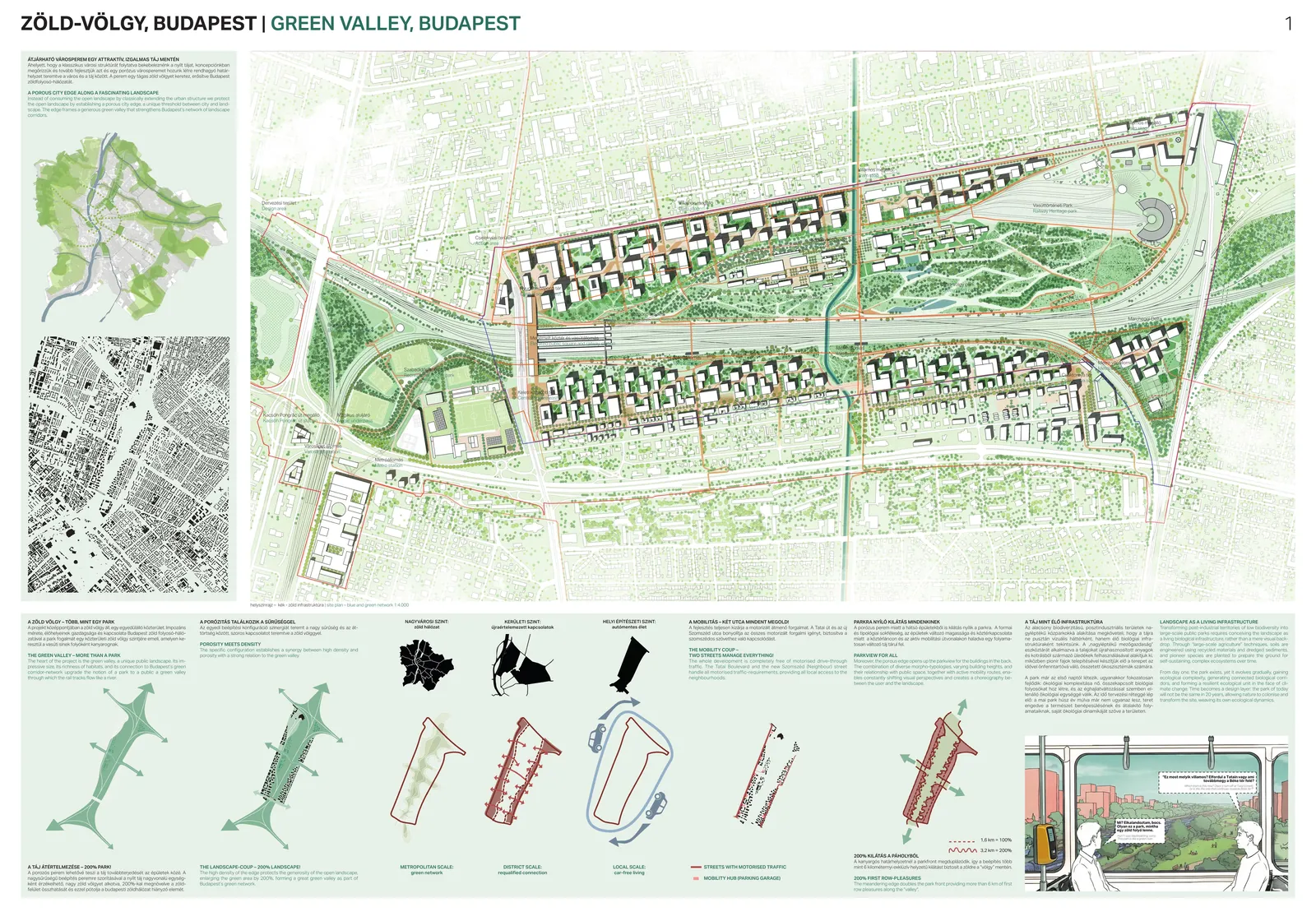
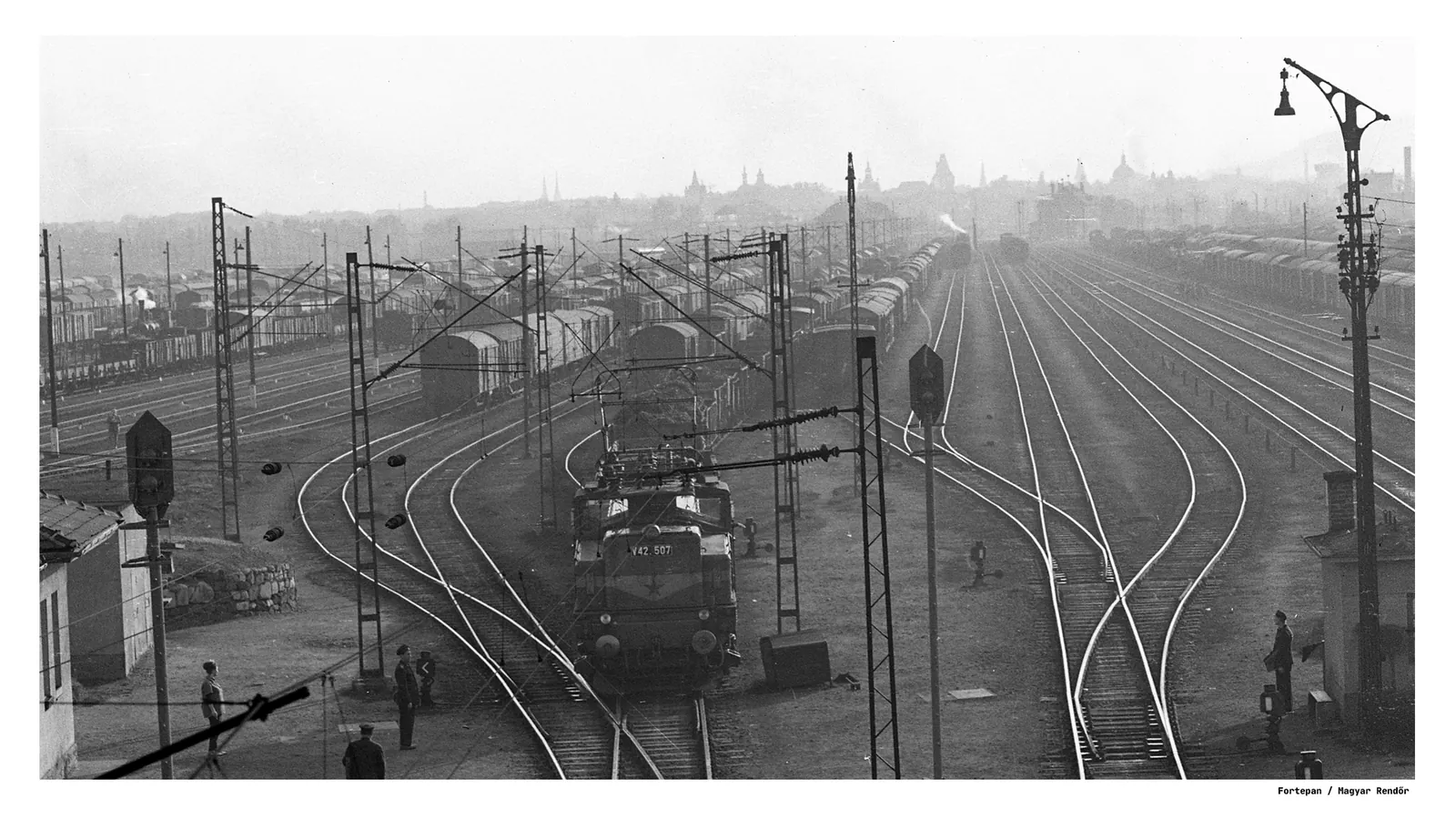
We designed a near-natural public park for Rákosrendező, extending almost two kilometres along a north–south axis. Budapest currently lacks a continuous, ventilating green corridor of this scale within its urban fabric. The Green Valley fills this gap, transforming the present-day post-industrial site into one of the capital’s key ecological areas.
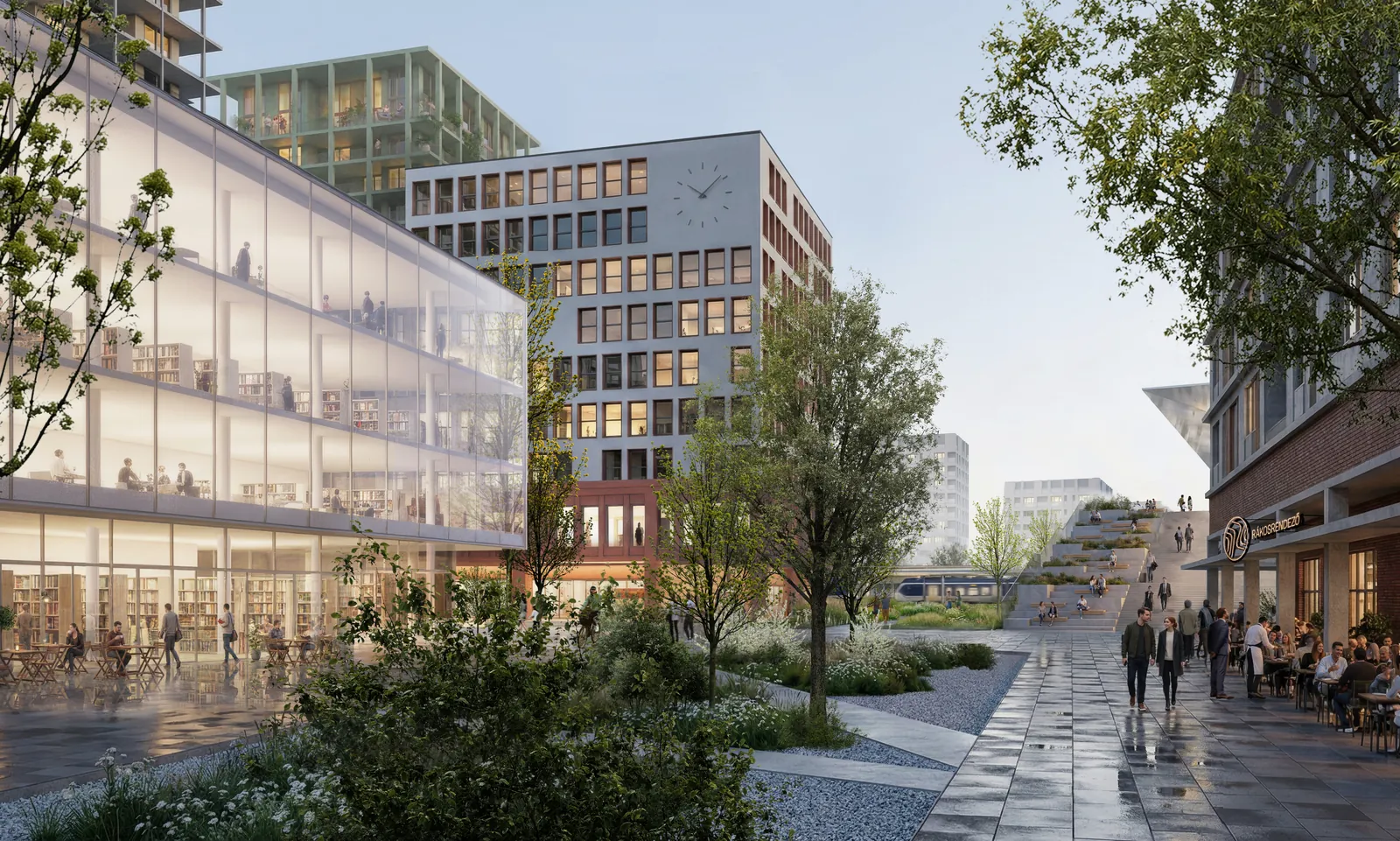
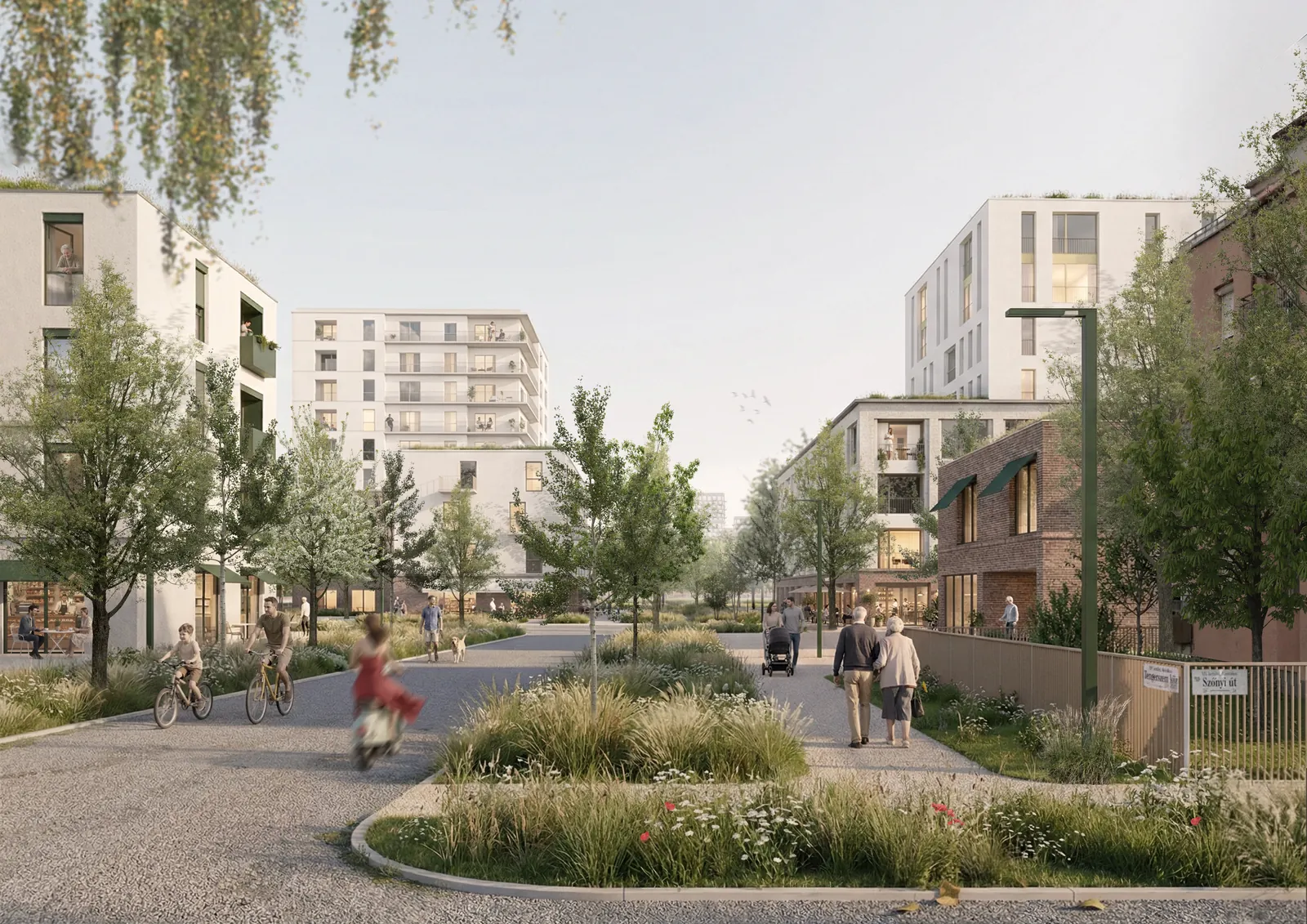
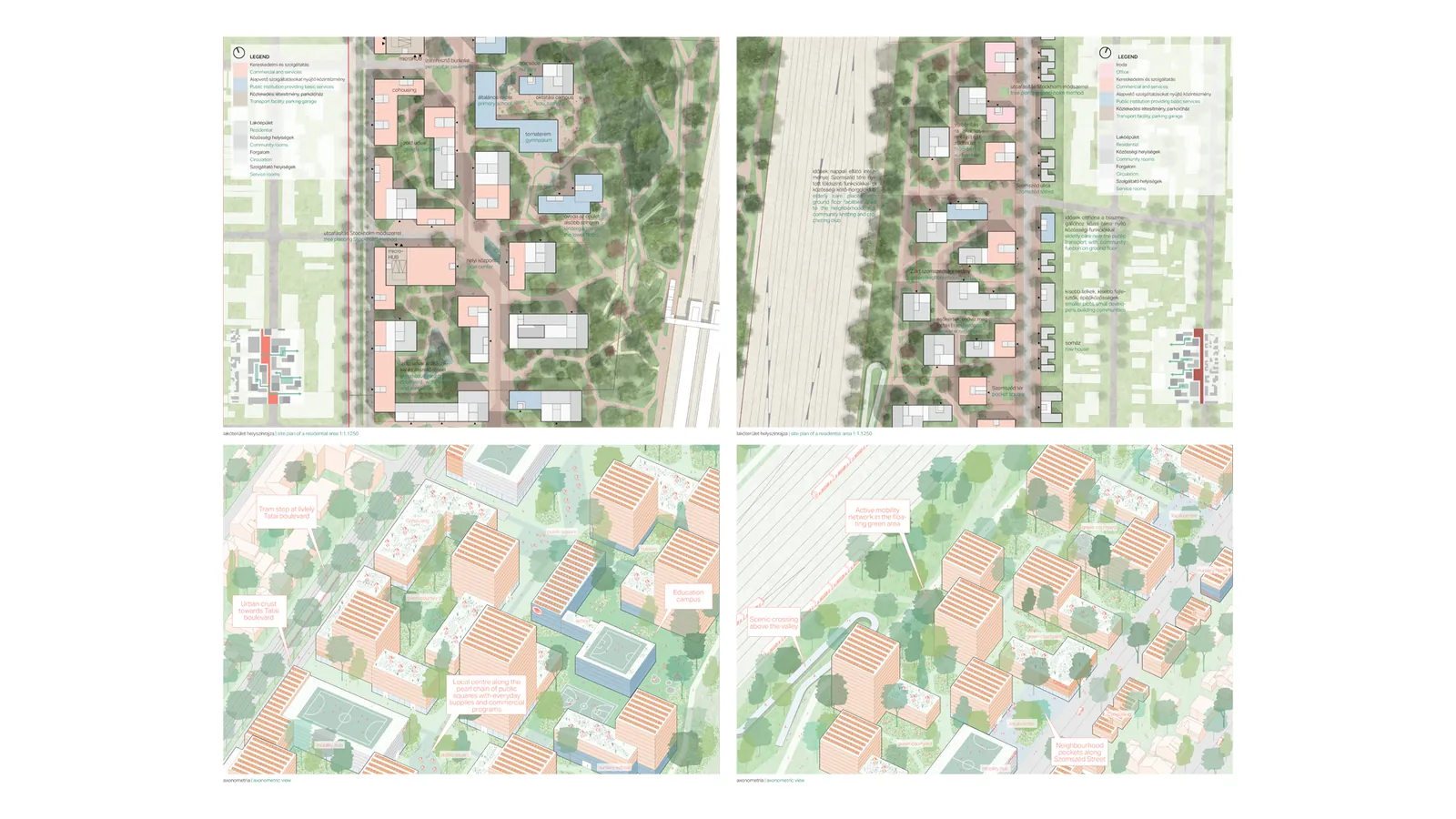
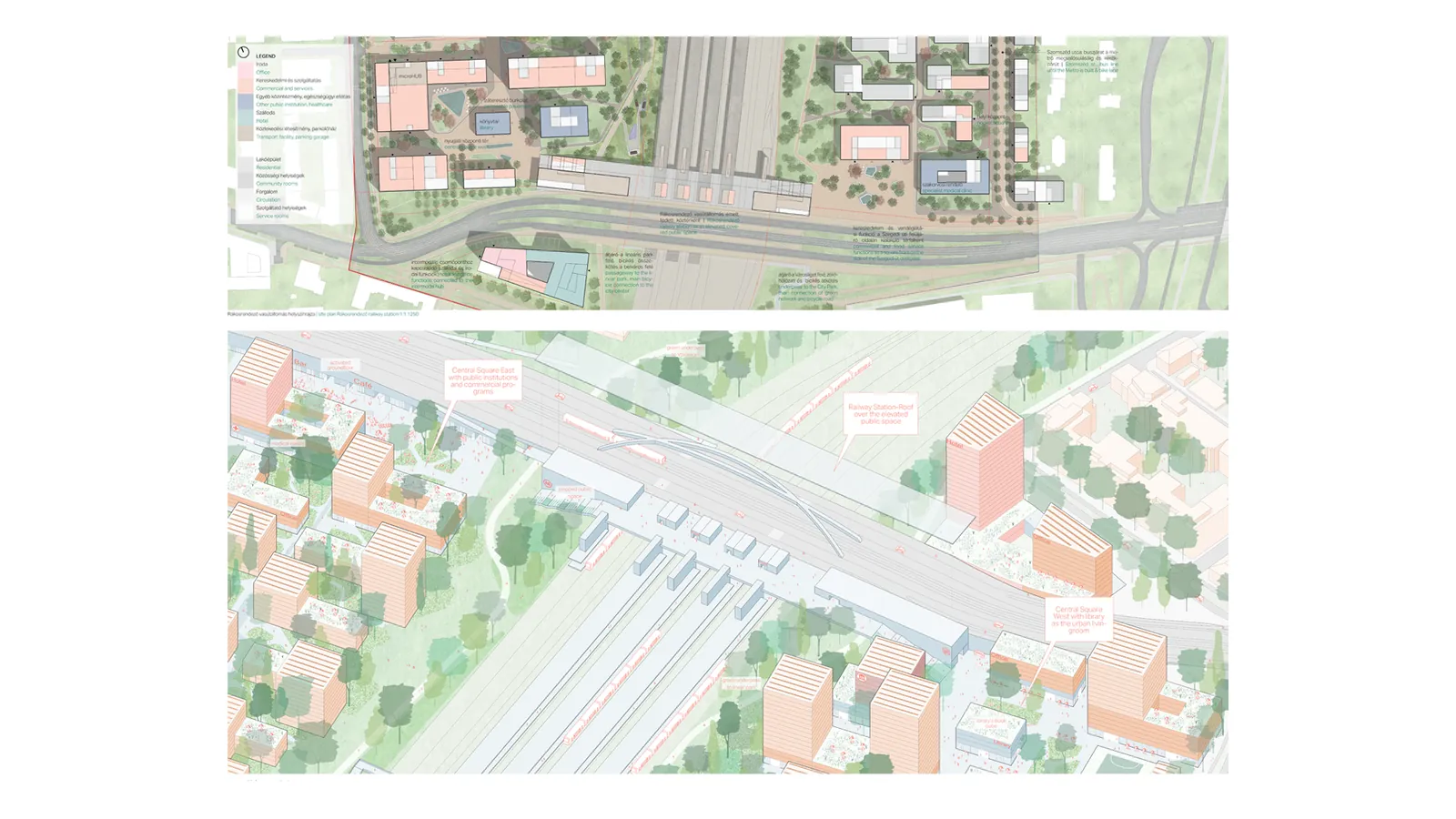
The central idea of the concept is the “porous urban edge”. Dense development is concentrated along the boundaries of the site, allowing the inner landscape to remain a generous and continuous spatial entity. The built and natural environments are not separated by a sharp boundary, but gradually merge into one another. According to our plans, this produces approximately twice the perceptible impact of green space compared with conventional urban development.
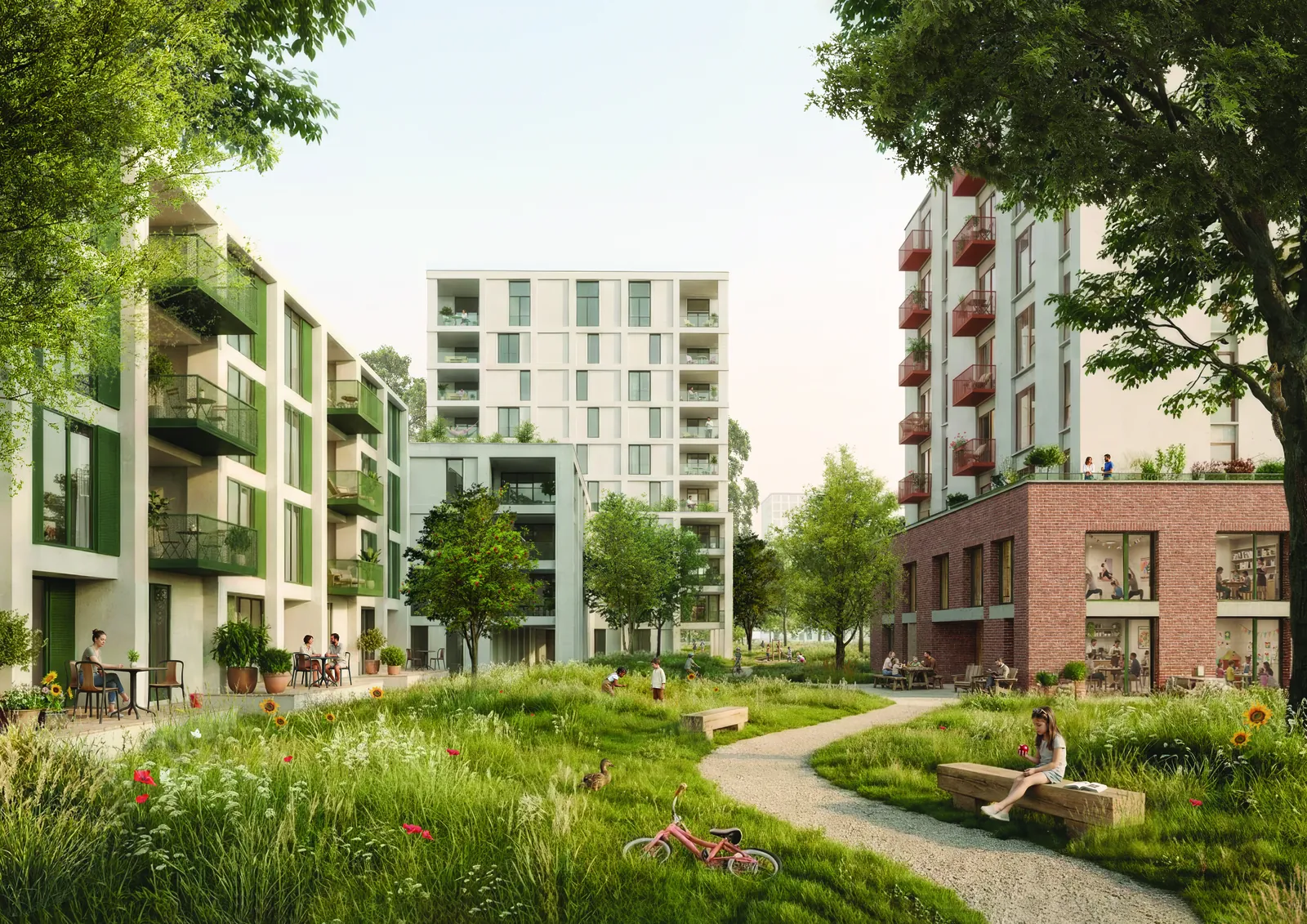
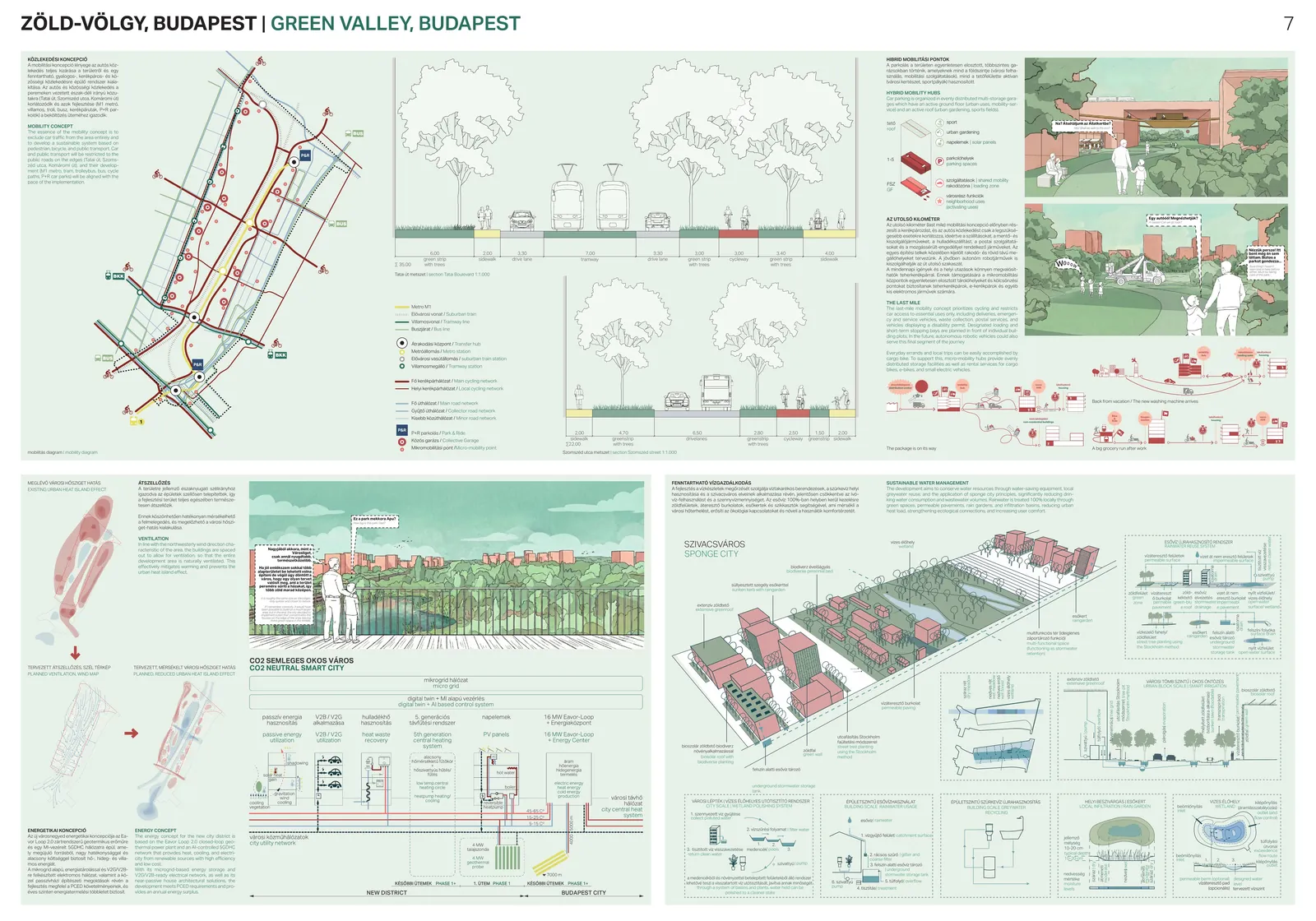
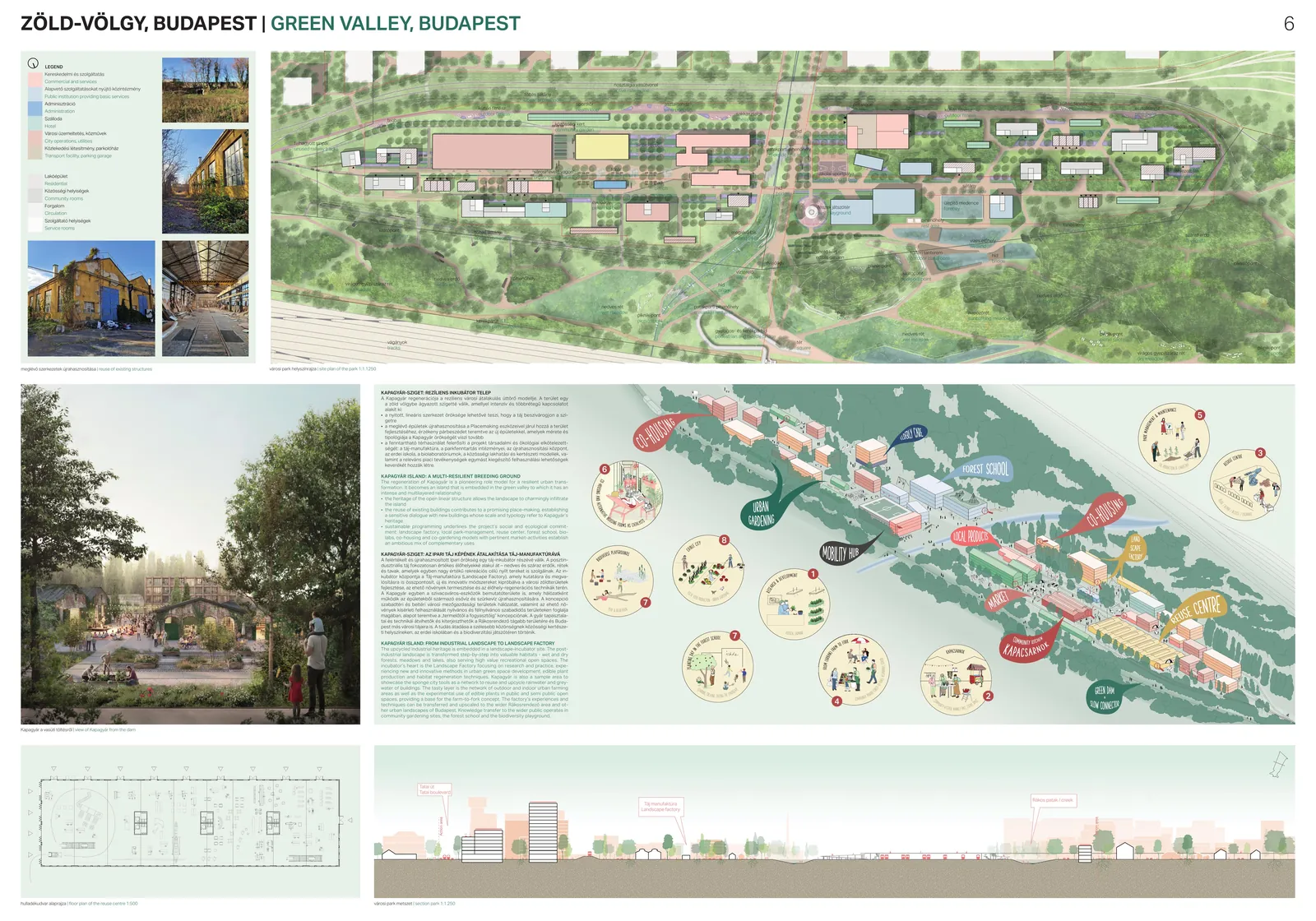
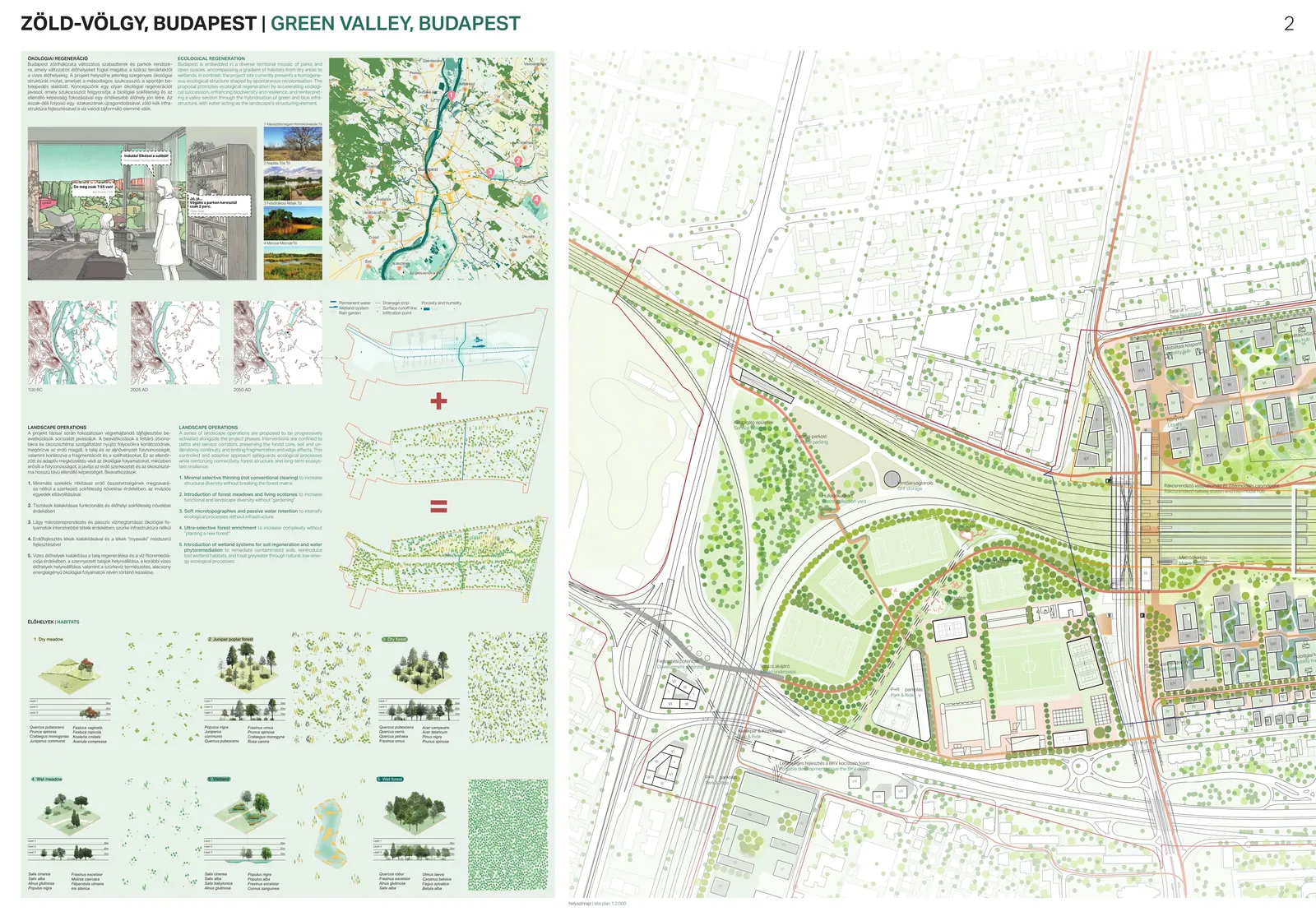
The landscape architecture itself is conceived as a process of ecological regeneration. Today’s species-poor habitats are enriched by deliberately accelerating natural succession. The existing tree stock is managed selectively; grasslands and ecotones are established using native herbaceous seed mixtures; gentle landform modelling retains water on site; and woodland areas are developed according to continuous-cover forestry principles. Wetland habitats are also created. Along the north–south axis, dry and wet grasslands alternate with dry and wet woodland habitats, gradually restoring the site’s original habitat structure.
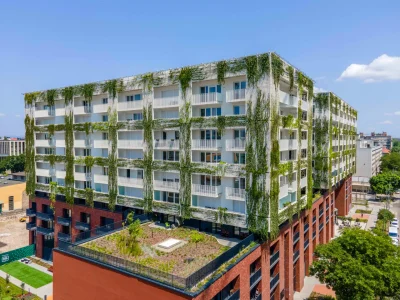
A cornerstone of the blue-green infrastructure system is the revitalisation of the Rákos Stream, which establishes both pedestrian and ecological connections between the eastern and western sides of the site. All rainwater is retained and managed locally. Rain gardens, permeable surfaces, green roofs and infiltration areas ensure that no stormwater is discharged into the public sewer system.
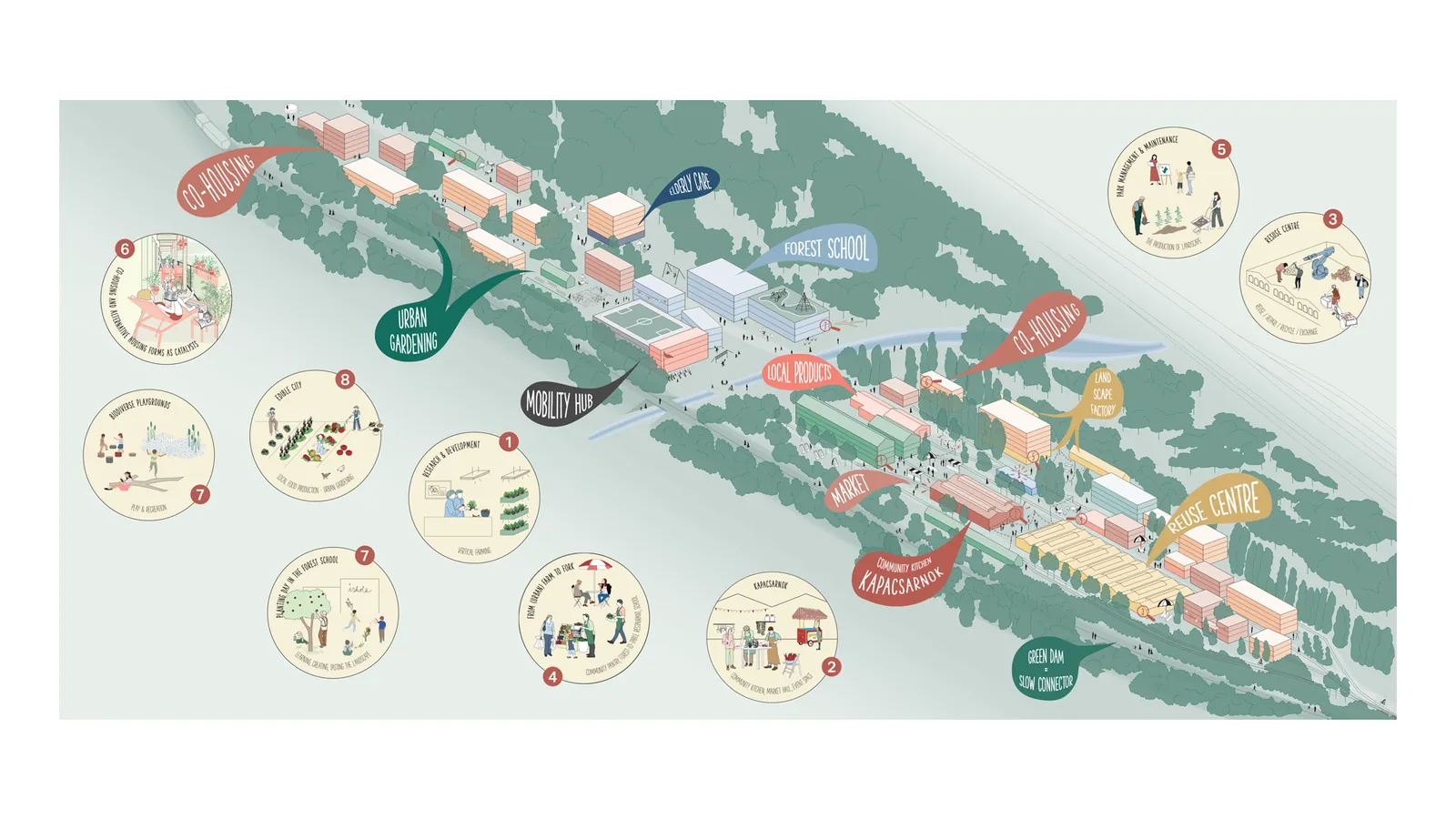
The professional base of the park will be the Landscape Factory on Kapagyár Island: a research, educational and experimental workshop, as well as an incubator for the site’s future green development.
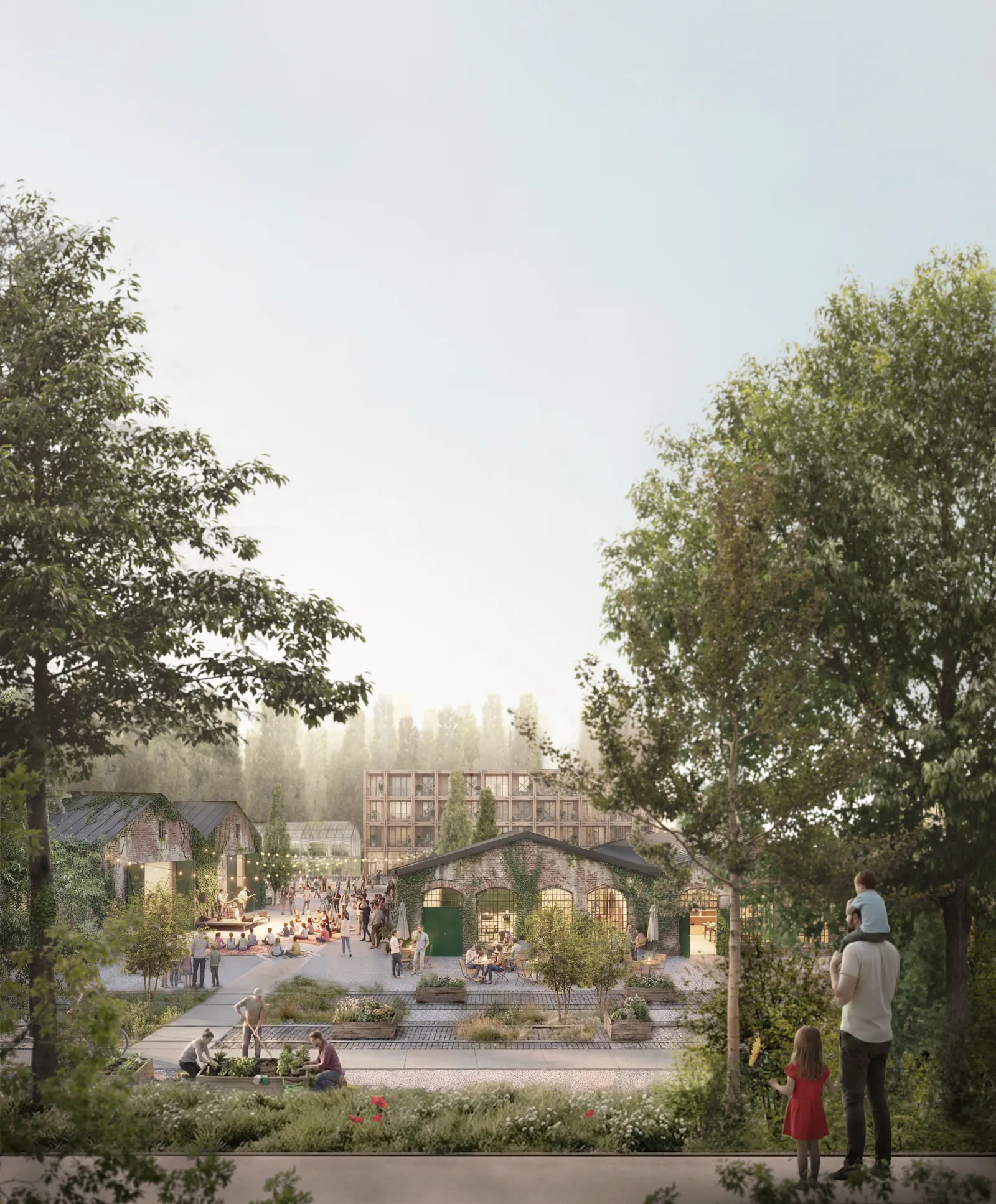
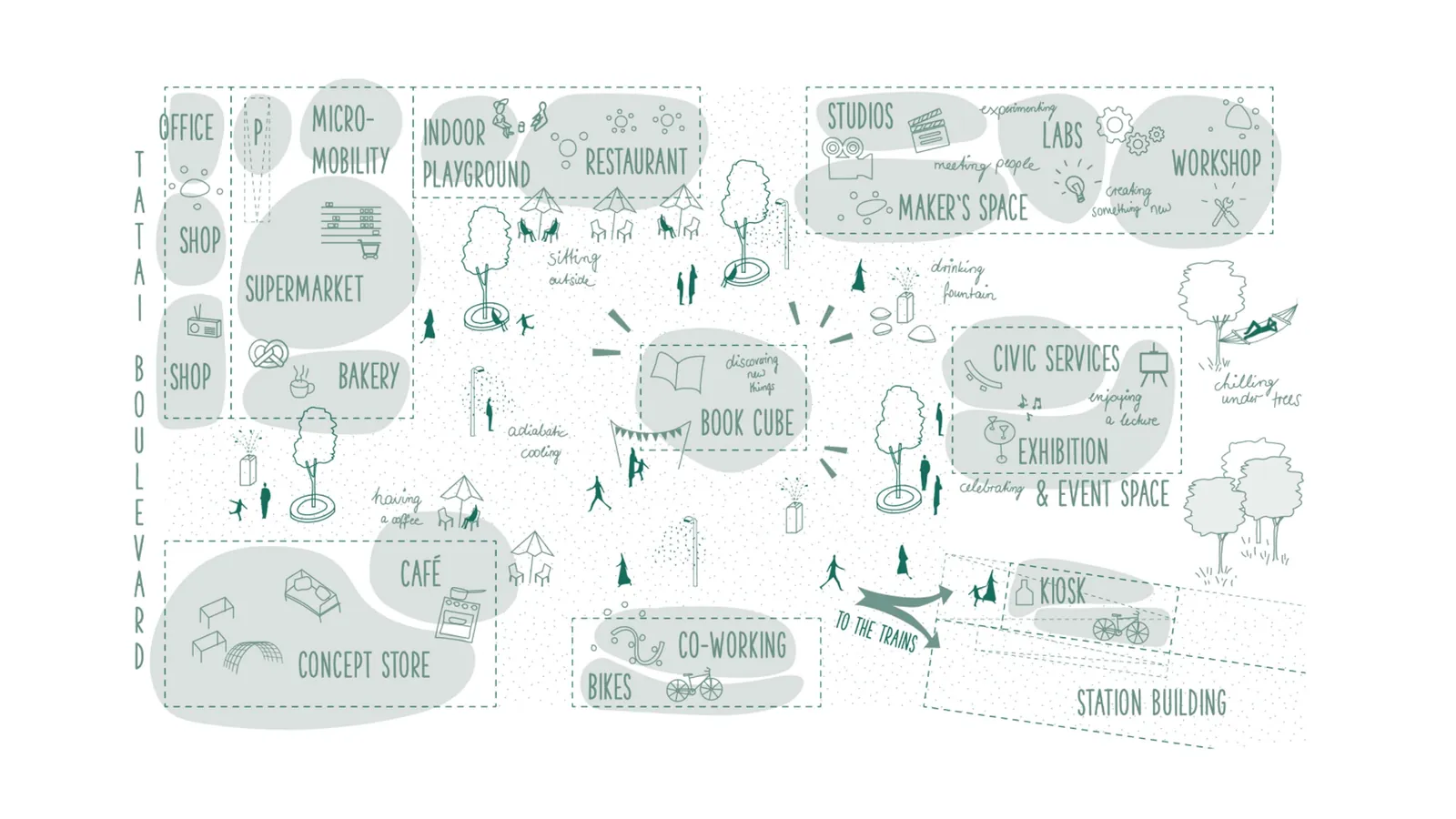
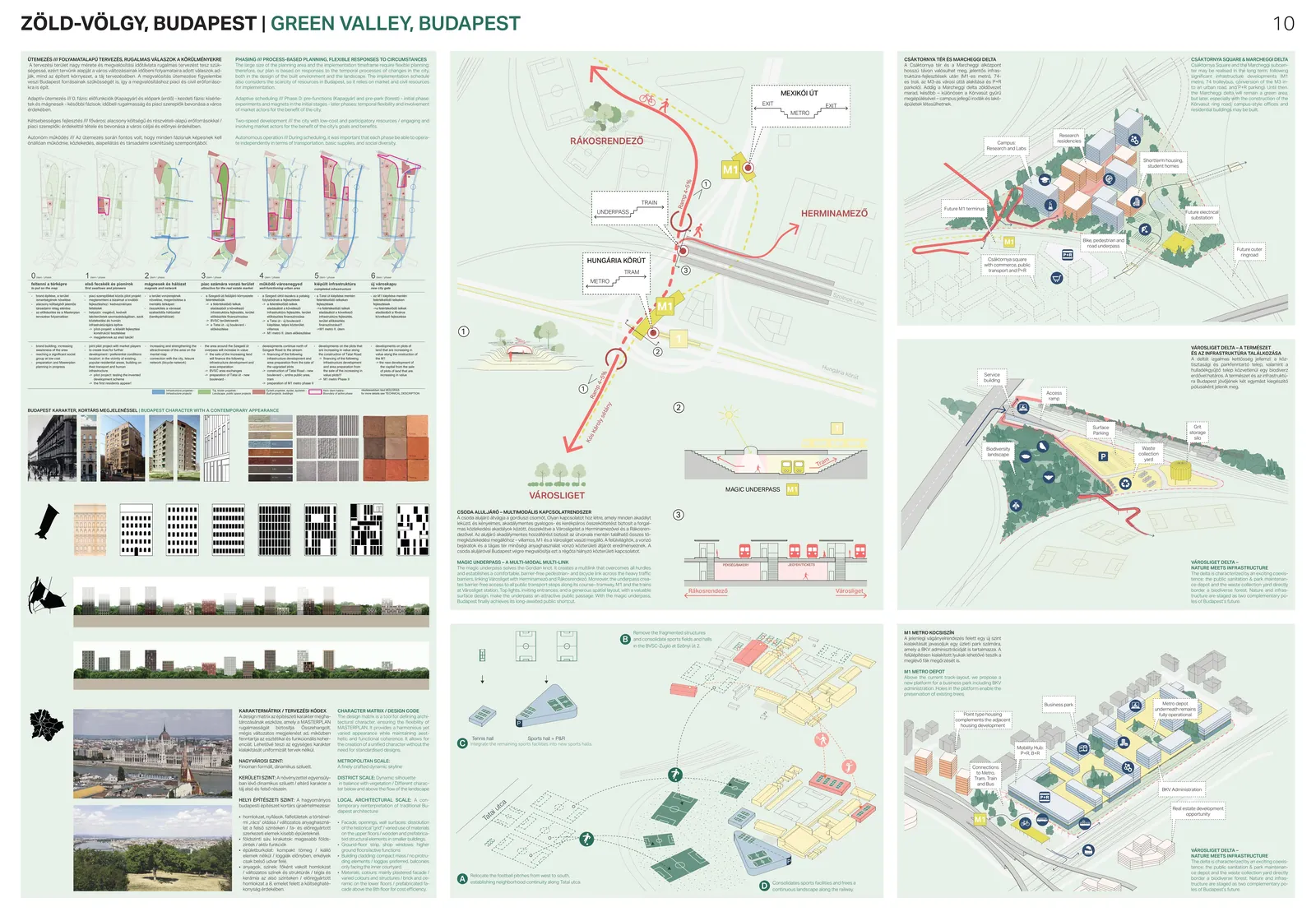
The park will not open as a fixed and completed composition; instead, it will mature gradually alongside the ecological processes taking place within it. Cycle routes, picnic areas, sports facilities and cultural programmes will be introduced progressively, in step with this development. The total planned green area will eventually reach 50 hectares, including more than 20 hectares of continuous public parkland.
Gallery
Project credits
Design consortium:
MCXVI Építészműterem
StudioVlayStreeruwitz
CZIRJÁK SZABÓ Kft.
4D Tájépítész Iroda
LAND LAB
Mobil City Bt.
con.sens
Authors:
MCXVI: László Herczeg, Gábor Szokolyai, Mariann Fonyódi, Dávid Kálna, Rebeka Monory, Júlia Hegymegi, Anna Kormányos, Borbála Prőhle, András Páll, György Szabó, Berna Bedőcs
VLST: Bernd Vlay, Lina Streeruwitz, Marie-Therese Krejcik, Oscar Binder, Ying Wang, Philipp Kitzberger, Heike Vögele, Michael Szeiler
CZIRJÁK SZABÓ Építészeti és Mérnöki Kft.: Árpád Szabó, Ágnes Czirják
4D Tájépítész Iroda: Andrea Balogh, Csaba Majoros, Dr. Ildikó Réka Nagy Báthory, Soma Gulyás, András Házi, Daniel Komes, Fanni Bolyki, Liza Gunzinam, Brigitta Tacsi-Sas
LandLab: Miriam García, Luis García García, Jordi Miró, Konstantina Pagkalou, Sara Heredia
Mobil City Bt.: Klára Macsinka
con.sens: Laurentius Terzic
Project contributors:
Visualisations: PS Alkotó Kft.
BIM model: Novu Tervezőiroda Kft.
Co-housing consultants: Annamária Babos, Petra Madaras-Horogh
Climate consultant: Lilla Lapinskas
Development consultants: Ecorys Magyarország Kft., IPDM Consultant Kft.