Historic garden · Public park
Népliget Landscape Architecture Ideas Competition
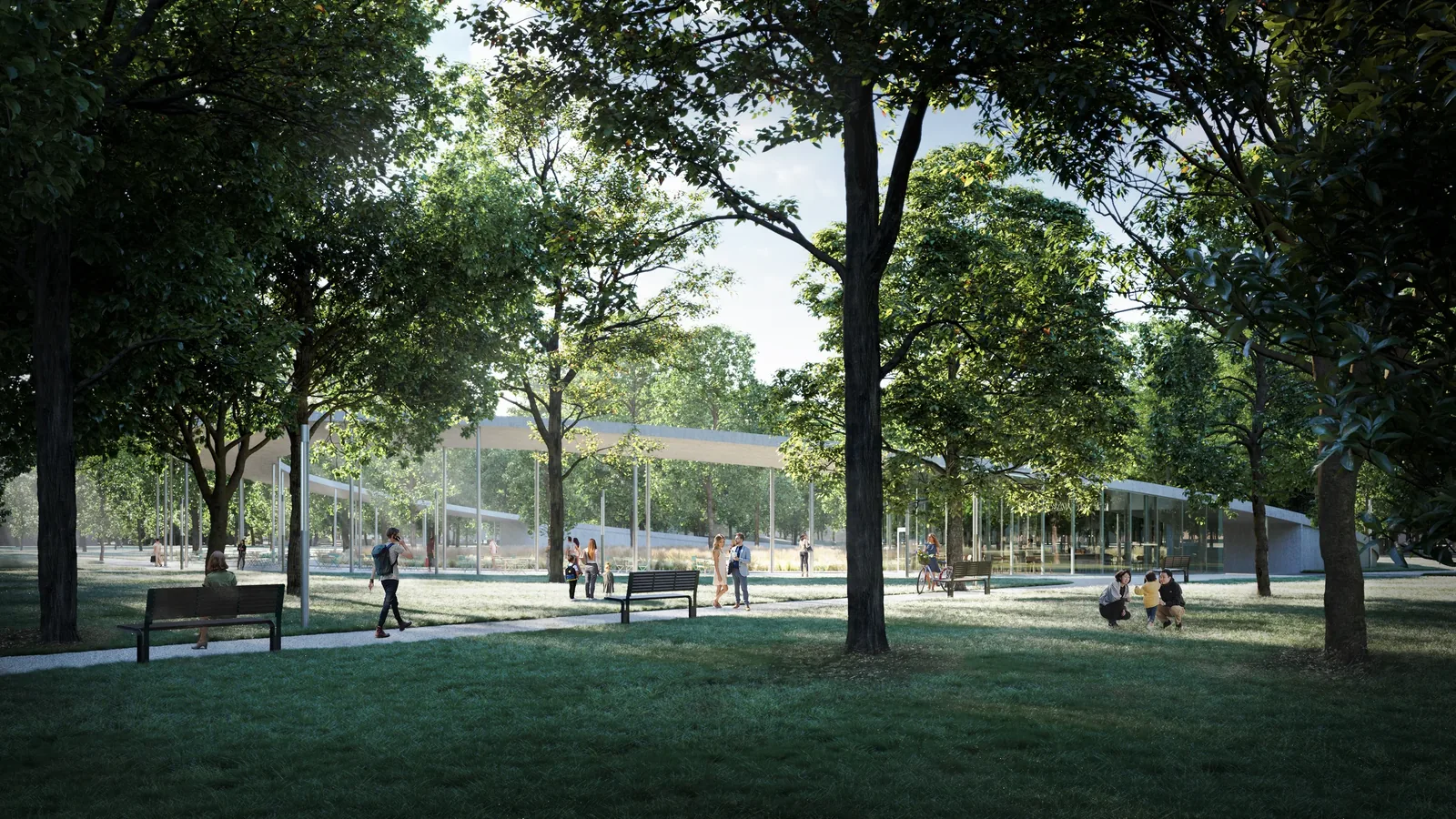
“The Népliget is one of our largest urban public parks in Pest, with a history spanning more than a century. To this day, it preserves its historicist picturesque landscape character, its postmodern stylistic features, and the traces left by distinguished garden artists and ornamental horticultural designers. The romance of timelessness and abandonment is palpable here: upon arrival, time slows down and one is transformed. The surviving and formerly hidden functions, the buried park elements overgrown with climbing plants, tell of the many intentions and desires that have shaped the fate of Népliget. It is a wooded, grove-like urban wilderness, where silence and the play of light prevail. If we scratch beneath the surface, if we draw aside the lianas, the park reveals many faces. And how many more faces might it still have?”
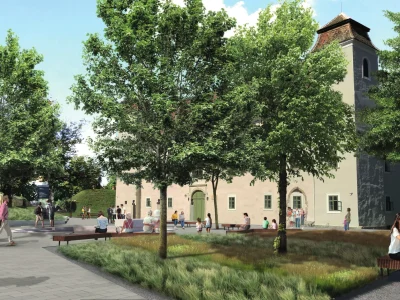
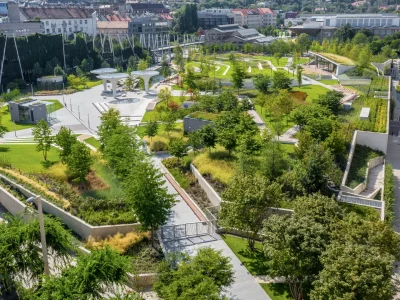
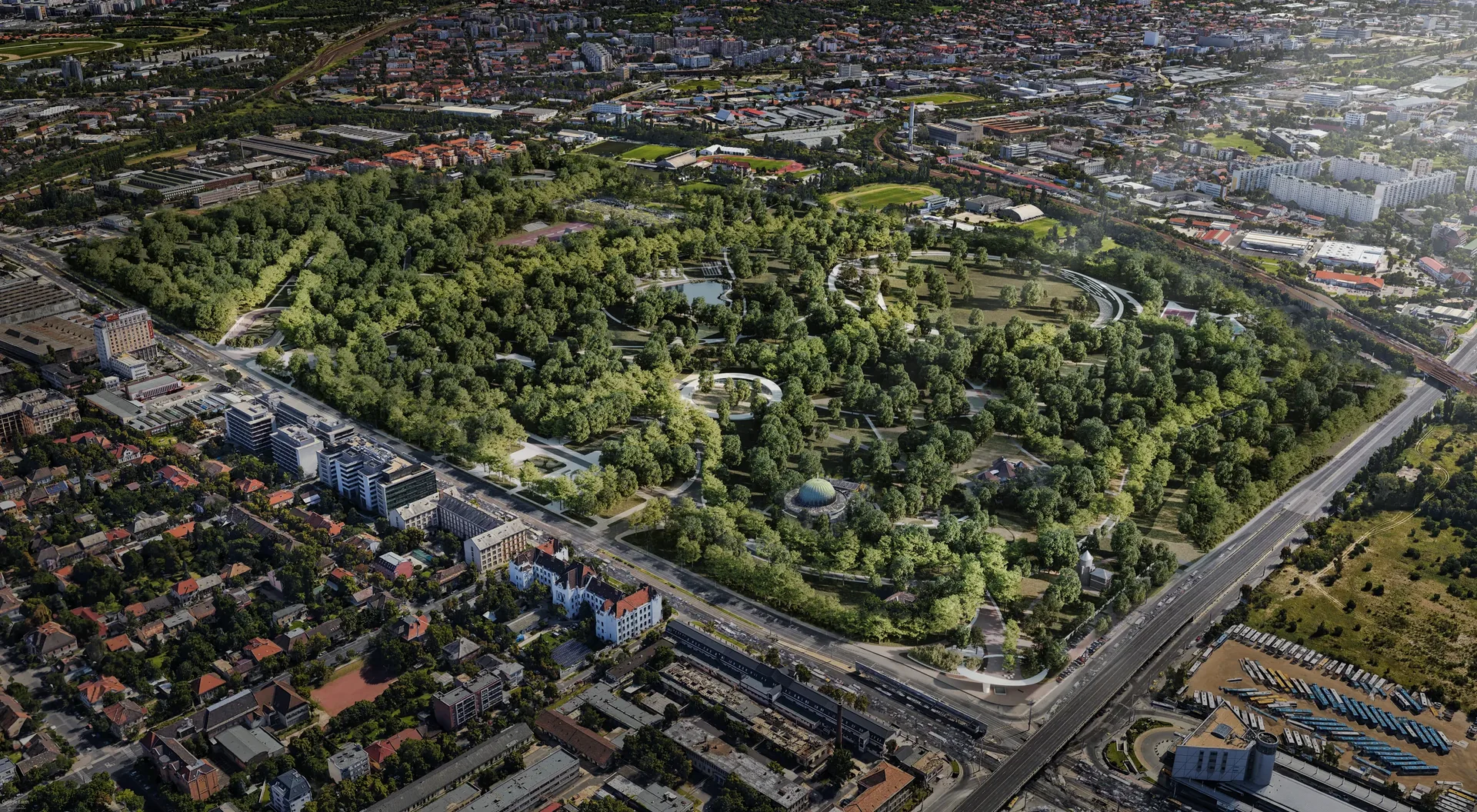
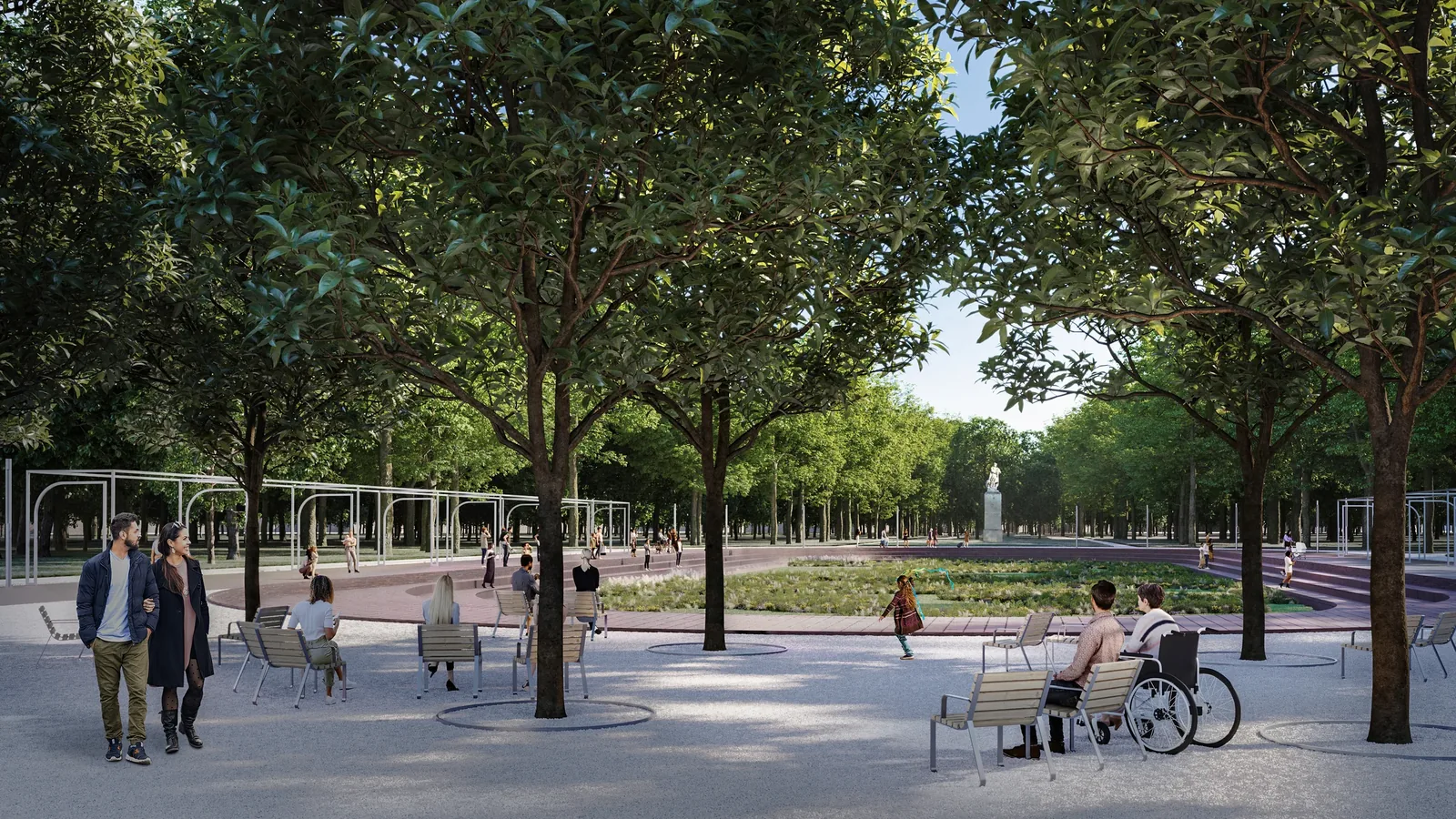
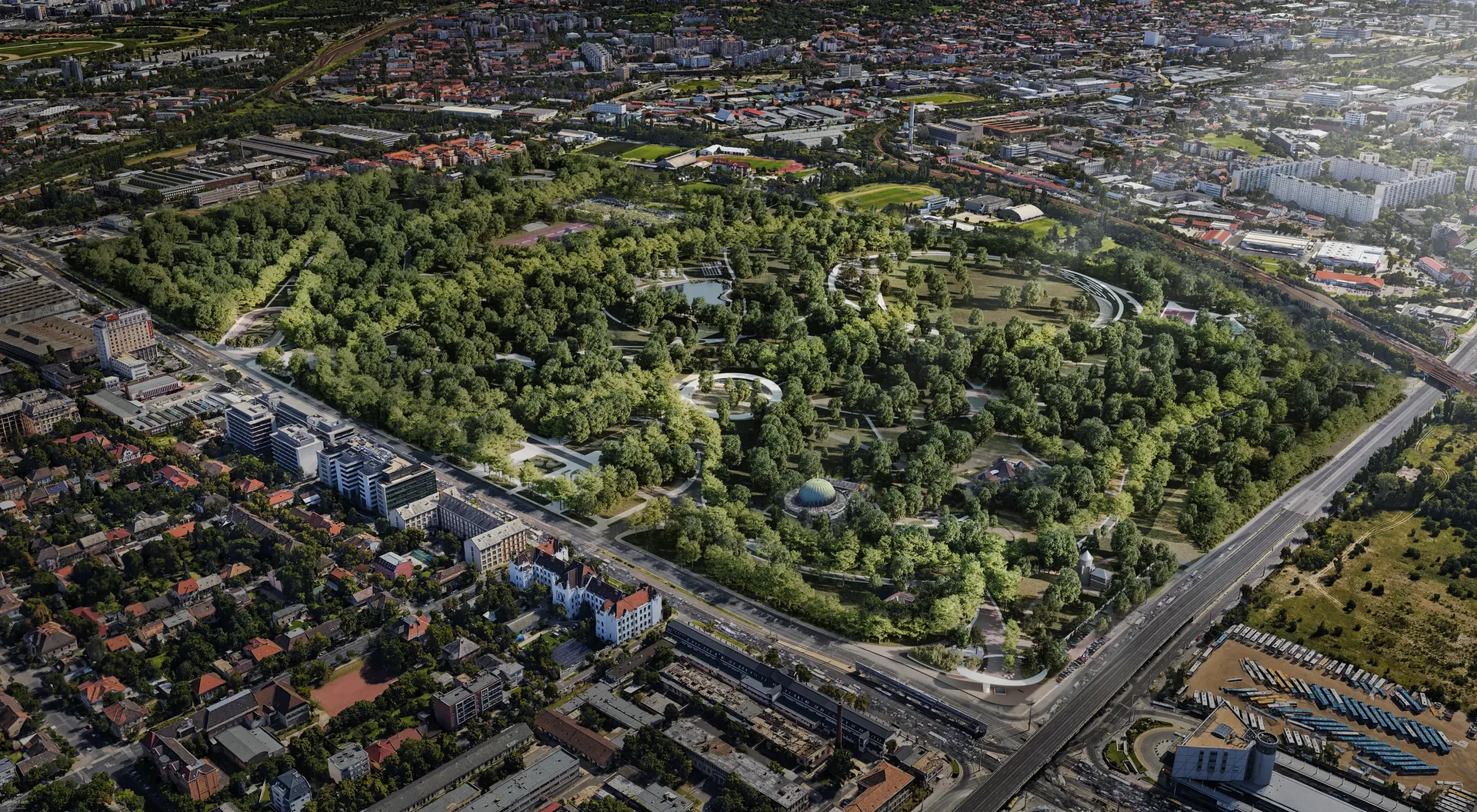
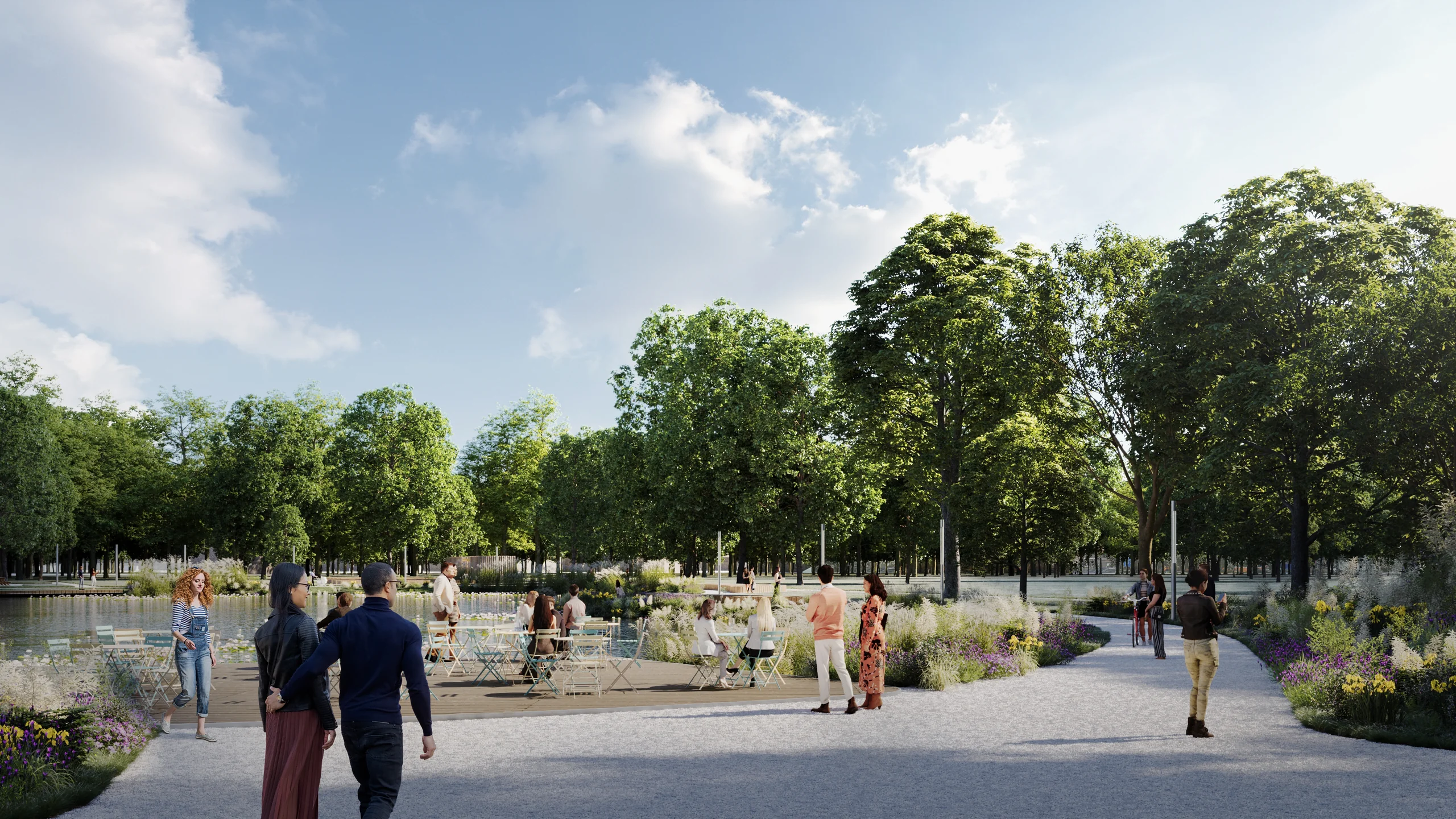
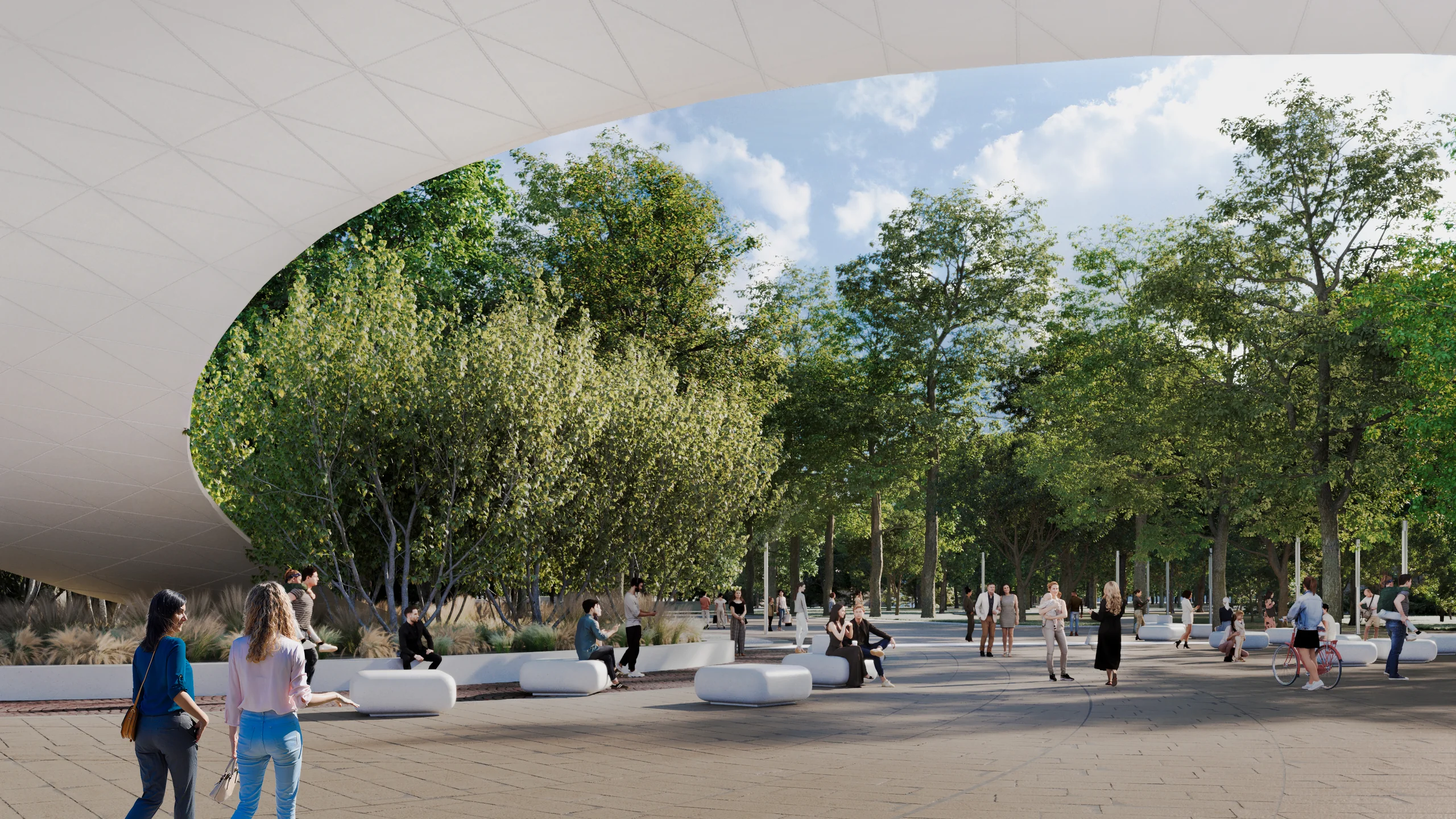
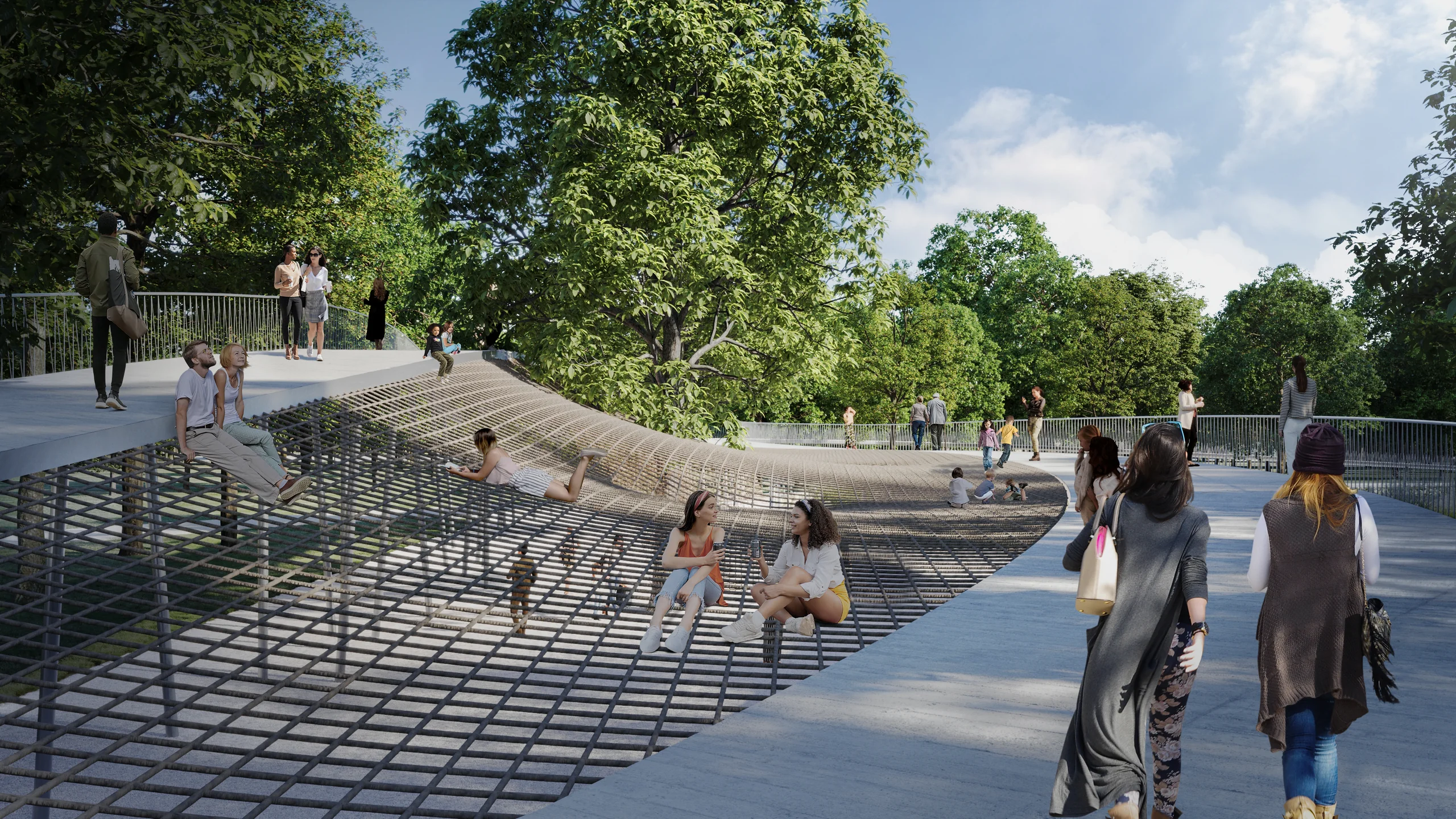
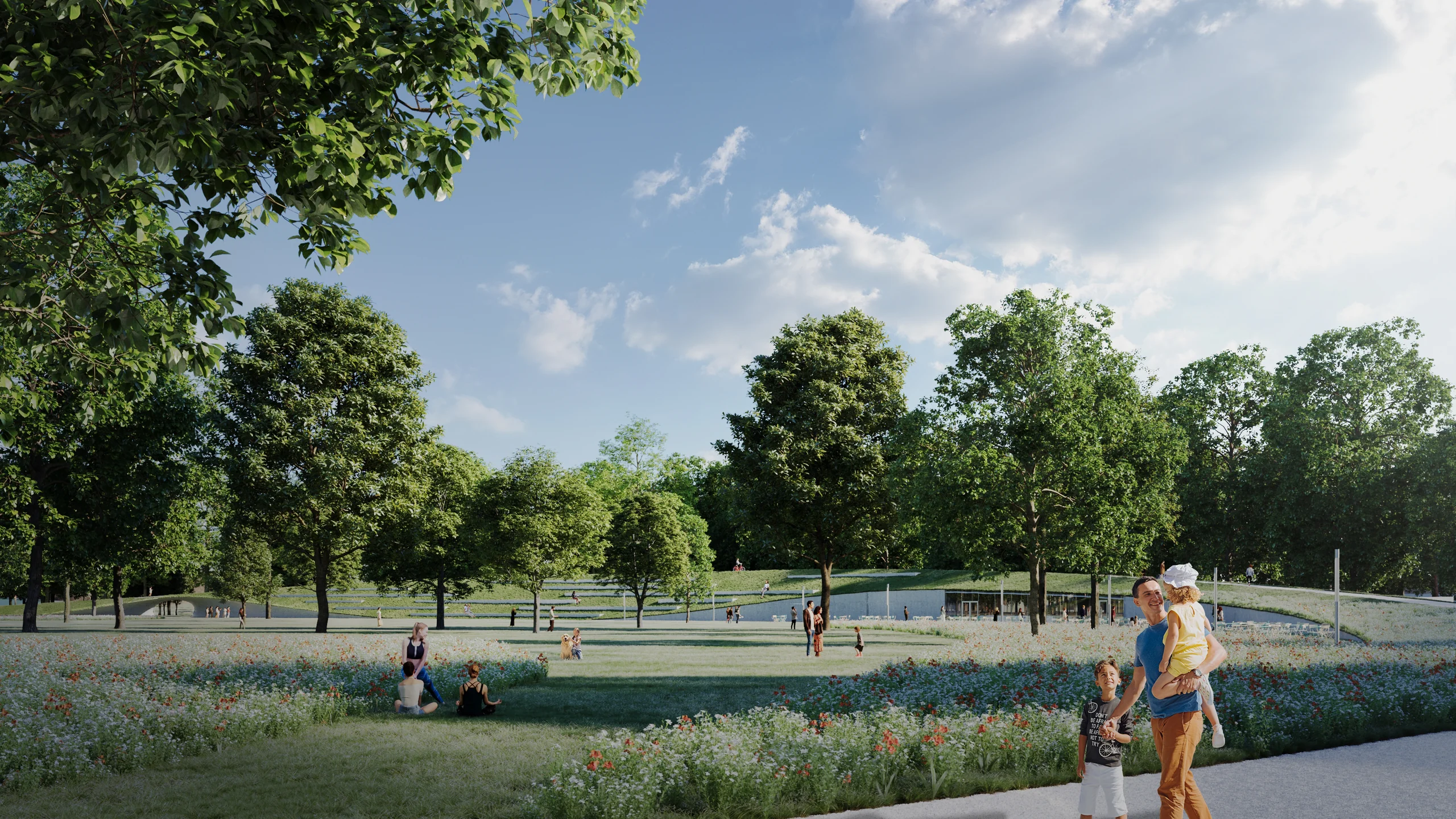
For us, the vision of the “Thousand-Faced Népliget” is primarily that of a public park whose cultural and historical value is recognised, carefully interpreted and brought to the surface, while at the same time being maintained in a planned and systematic way. We propose its development over the coming decades in line with contemporary functional, aesthetic and social needs. Népliget should primarily offer public-interest functions that are active and passive, but in every case attractive, serving urban recreation, culture, sport and experiences of nature. The park is both an urban wilderness and a representative work of garden art. The contrast created by the meeting of diverse near-natural habitats and designed landscape spaces is one of the park’s defining experiences.
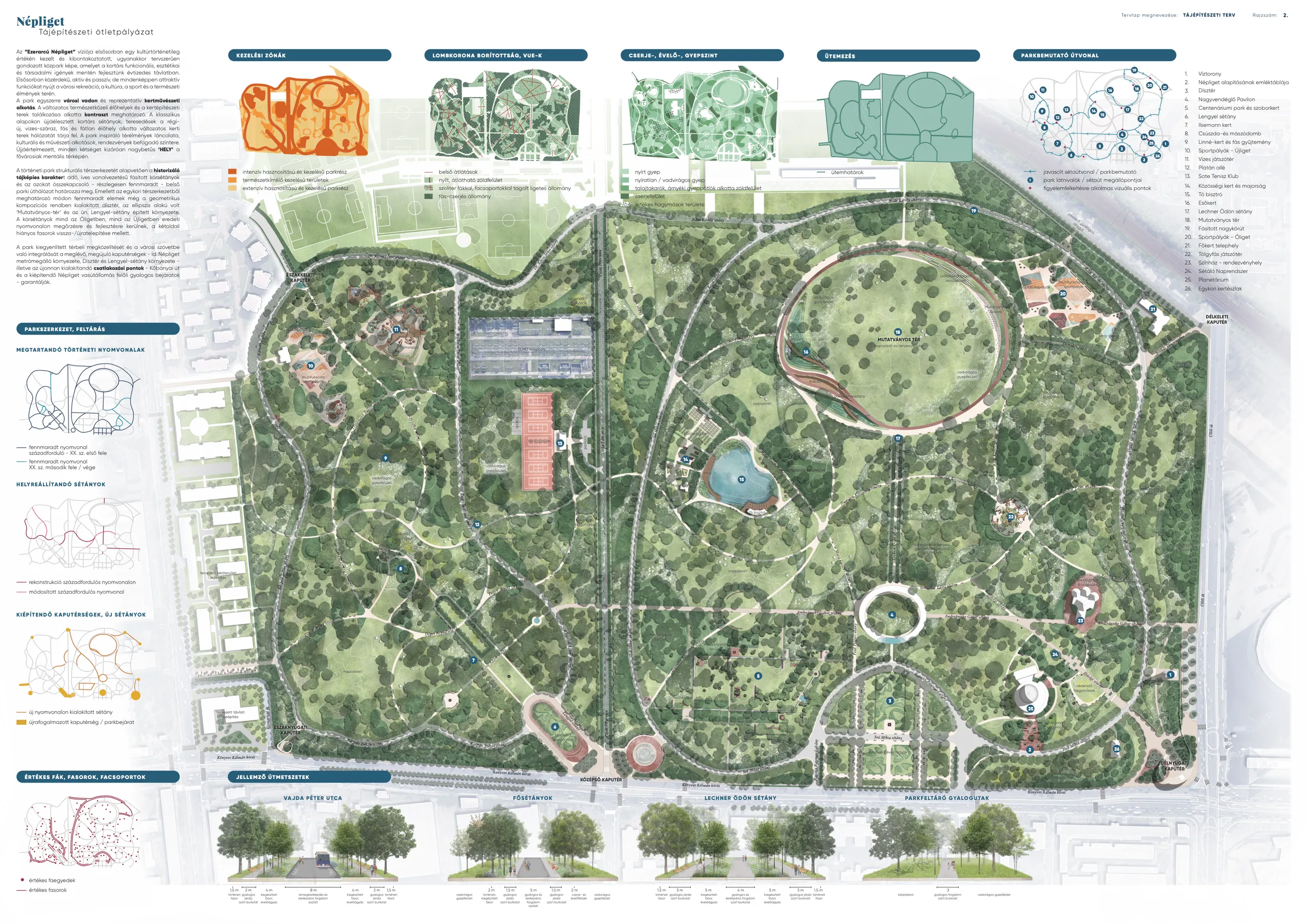
During the design process, the individual development elements of the park were defined in relation to one another, examining their mutual effects. This approach ensured that aspects of history, ecology, habitat conditions, education and interpretation, integration and sports functions could all be represented and brought into harmony.
The structural spatial framework of the historic park is fundamentally defined by the tree-lined circular promenades with their curved alignment, which give the park its historicist picturesque landscape character, together with the partly surviving internal path network that connects them. We reconstructed the park’s historic path system with regard to the major, still visible interventions from different periods of landscape architecture. According to our proposal, the development is based on the preservation, partial restoration and further development of the historic structures.
Gallery
Project credits
Tamás Ükös, Dorottya Miklós, Tímea Hegedűs – Tecton Ltd.
Gábor Szokolyai, Júlia Hegymegi – MCXVI Ltd.
Garden History Expert: Dr. Katalin Takács
Urban Green Infrastructure Expert: Dr. Ildikó Réka Nagy Báthory